More Films And Screens Can Build A True Assamese Film Industry
October 1, 2026

As India’s digital entertainment boom gathers pace, web series have emerged as a powerful cultural force – reshaping how audiences engage with society, history, and identity.
Platforms such as Netflix, Amazon Prime Video, and local OTT services like ZEE5 and Disney+ Hotstar now rival cinema and television in reach and influence. However, amid this creative surge, a critical question has gained urgency: How are Dalits – the historically marginalised communities in India – being represented on screen?
Web series have been celebrated for tackling taboo subjects and boundary-pushing narratives. Shows like Sacred Games, Paatal Lok, and Mirzapur have attempted gritty realism, exploring crime, power, and caste hierarchies. Yet, beneath the acclaim lies an ongoing pattern of simplistic, stereotypical, or tokenistic portrayals of Dalits – a problem rooted as much in industry structures as in creative choices.
In many high-profile series, Dalit characters often appear as either background colour or narrative devices – their presence serving to heighten the “authenticity” of caste settings without offering depth or agency. Instead of complex individuals with aspirations, histories, and contradictions, Dalits are frequently reduced to:
This pattern reflects broader societal prejudices that persist in Indian media, wherein dominant caste perspectives shape storytelling conventions.
One fundamental reason for misrepresentation is the lack of Dalit voices in writers’ rooms, production houses, and creative leadership. In an industry still dominated by upper-caste creators and decision-makers, narratives about caste are often filtered through a lens of pity, exoticism, or voyeuristic fascination with suffering – rather than lived experience.
As Dalit scholar and activist Kancha Ilaiah Shepherd has argued in his work, caste representation isn’t merely about presence on screen; it’s about who gets to tell the story. When Dalit creators are absent, even well-intentioned portrayals risk reinforcing stereotypes instead of challenging them.
Take Paatal Lok, a show lauded for its raw depiction of caste violence. While it attempts to critique social hierarchies, critics have pointed out that its Dalit characters often remain on the margins of narrative agency – lacking the emotional complexity afforded to their upper-caste counterparts.
Similarly, Mirzapur, set in the heartland of Uttar Pradesh, is rife with caste metaphors. Yet Dalit identities in the series function more as plot devices than human subjects – tools to escalate conflict rather than voices with perspective.
This trend is not limited to one show or genre; it reflects an industry-wide issue that persists despite increasing awareness of caste politics in India.
Representation matters because the media shapes perception. When Dalits are repeatedly depicted in reductive roles, these portrayals can reinforce biases and normalise structural inequalities. In a society where caste discrimination still affects access to education, employment, and justice, the cost of misrepresentation is real and measurable. For young viewers, particularly those outside the Dalit community, such portrayals can cement skewed understandings of identity and oppression. For Dalit audiences, these narratives can compound feelings of invisibility or misrecognition.
The cinematic renaissance of web series in India offers an unprecedented opportunity to rethink how stories are told and whose voices are amplified. But with great power comes responsibility. If Indian digital storytelling aspires to reflect the diversity of its society, it must reckon honestly with how caste – and particularly Dalit identity – is represented on screen. Only by elevating authentic voices and complex portrayals can web series transcend spectacle and contribute meaningfully to the nation’s cultural discourse.
ALSO READ | Eight Gripping Web Series Ideas From Assam
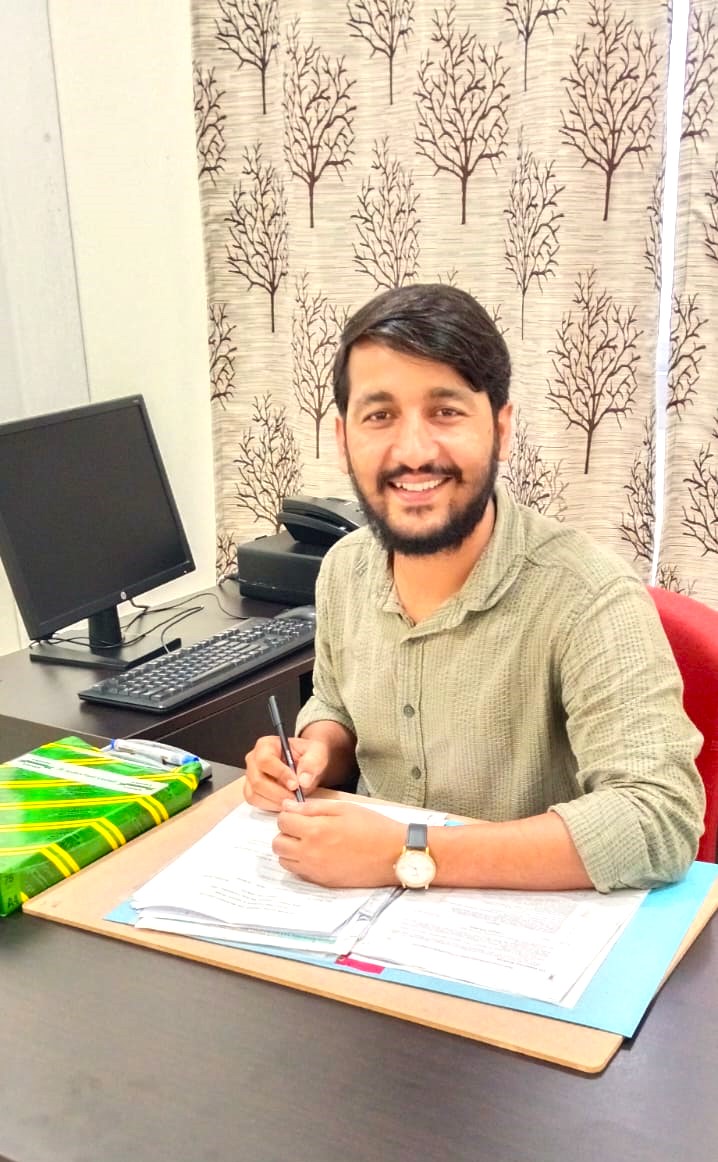
Dr. Syopat is an Assistant Professor and linguist who holds a Ph.D. from EFLU Hyderabad, specializing in syntax and the morphosyntax of Indo-Aryan languages. While his primary research focuses on structural grammar, his interests extend into cultural commentary, cinema, and societal representation.