What Happened To Ayushmann Khurrana’s Unconventional Stardom?
October 30, 2026

There is something rather unusual about Patrick Stewart’s story. He was already an accomplished stage actor, with years of Shakespearean theatre behind him, when television gave him the kind of recognition most actors spend their entire careers hoping for.
He was not a young newcomer when that happened. He was 47, had lost most of his hair long before then, and had spent much of his professional life working in British theatre. Yet in 1987, a television series about a spaceship and its crew introduced him to millions who had never seen him perform Shakespeare.
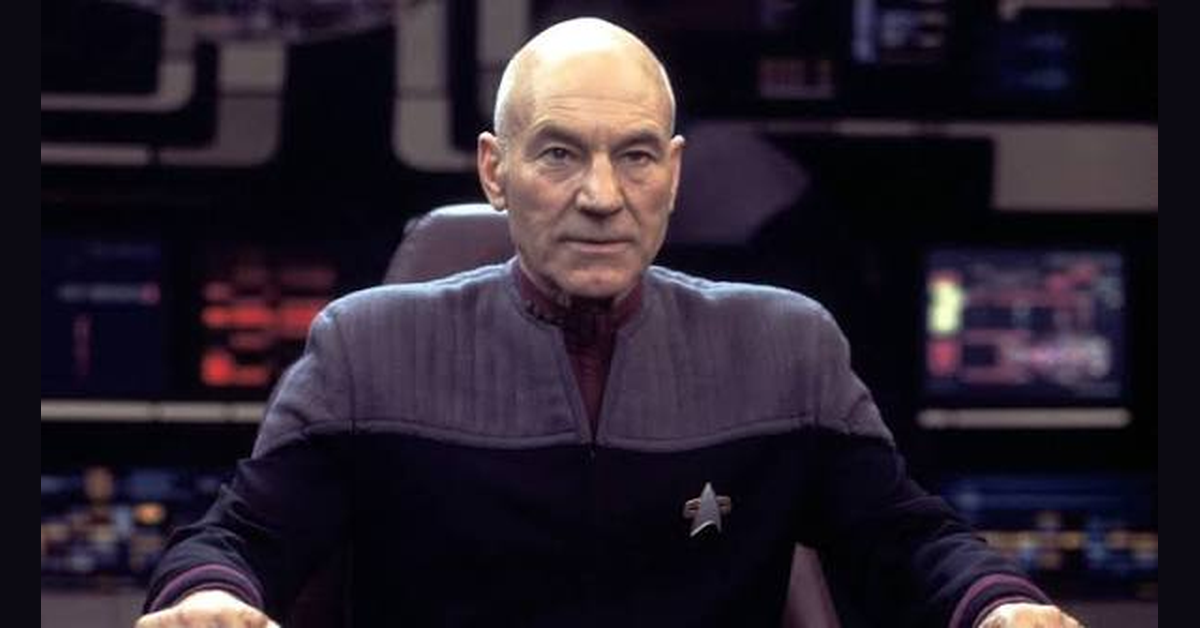
Stewart would become Captain Jean-Luc Picard in Star Trek: The Next Generation, a character whose calm authority, measured speech and strong sense of responsibility made him one of the most recognisable figures in television science fiction.
Years later, he would find another enormous audience as Professor Charles Xavier in the X-Men films. But behind those familiar faces was a man whose early life in northern England was a long way from Hollywood, film premieres and international fame.
On July 13, 1940, Patrick Stewart was born in Mirfield, a small town in West Yorkshire. His family lived in modest circumstances. Their house had no central heating, no indoor toilet and no running hot water. He shared a bed with his older brother, Trevor, and the family had very little in the way of books or entertainment. The local library eventually became important to him, offering a young boy access to a world that was otherwise largely beyond his reach.
His childhood was not simply a story of financial hardship. His father, a British Army soldier who had served during the Second World War, was violent towards his mother. Stewart later spoke openly about the atmosphere at home and the effect it had on him and his brother.
For years, he kept those experiences to himself. In interviews surrounding the publication of his autobiography, he explained how difficult it had been to discuss his family life honestly after spending so long presenting a more comfortable version of it.
The subject was particularly painful because domestic violence was rarely discussed openly during his childhood. Stewart and his brother sometimes intervened when their father attacked their mother. It was an experience he carried into adulthood, although he did not speak publicly about it until much later in his life. His decision to discuss it was not merely an attempt to explain his own past. He also wanted to draw attention to the experiences of people who continued to suffer violence within their homes.
Theatre offered him a different kind of life. At school, a teacher named Cecil Dormand recognised his interest in acting and encouraged him to pursue it. His acting teacher, Ruth Wynn Owen, also played an important part in directing him towards a profession that was not an obvious choice for a boy from his background.
Stewart eventually left school and began working towards an acting career. He trained at the Bristol Old Vic Theatre School and gradually found his place in professional theatre. His early years were not particularly glamorous. Like many aspiring actors, he took whatever opportunities came his way, working in regional theatre and learning his craft through experience.
In 1966, he joined the Royal Shakespeare Company. It was an important turning point, although the recognition that would later come from television was still many years away. He spent approximately 14 years with the company, performing in Shakespearean productions and working alongside some of the most respected actors and directors in British theatre.
For Stewart, Shakespeare was never simply a matter of reciting old lines in elaborate costumes. He had a deep affection for the language and the demands it placed on an actor. The discipline of classical theatre would eventually prove useful in a rather unexpected setting: the bridge of a fictional starship.
His television career had begun much earlier, with an appearance in the British soap opera Coronation Street in 1967. He also worked in films and television productions while continuing his stage career. He appeared in films such as Excalibur (1981), in which he played Leondegrance, and gradually established himself as a dependable character actor.
The breakthrough, however, came in 1987.
When Stewart was offered the role of Captain Jean-Luc Picard in Star Trek: The Next Generation, he was initially unsure whether accepting it was the right decision. He had spent years building a reputation in theatre and was concerned about committing himself to a television series that might not succeed. People around him also warned that the project could prove a professional mistake.
He accepted the role nevertheless. The series ran for seven seasons, from 1987 to 1994, producing 176 episodes and making Stewart an international television star.
The transformation carried a certain irony. An actor who had devoted much of his life to Shakespearean theatre was now recognised worldwide as the captain of a fictional spacecraft. Yet the two worlds were not as distant as they might have appeared. Stewart himself understood that Picard needed the authority, composure and command of language that he had learned through years of classical acting. He approached the character with something of the seriousness he would bring to a Shakespearean role.
Picard was not a conventional action hero. He was thoughtful, often diplomatic, and prepared to listen before making a decision. His authority came less from physical strength than from intelligence, experience and an understanding of responsibility. Stewart’s performance helped establish that character, and the distinction between actor and role gradually blurred for audiences.
In a 2022 interview with The Guardian, Stewart reflected on how closely the character had become connected to his own outlook. He acknowledged that his beliefs and feelings had seeped into the series. It was perhaps one reason why Picard remained so convincing even after Stewart had moved on to other projects.
By the time Star Trek: The Next Generation ended, Stewart had become a familiar face to audiences worldwide. However, the series’ success did not mean he intended to abandon theatre or limit himself to science fiction. He continued working on stage, appeared in television productions, and explored different kinds of screen roles.
Then came another character that would become inseparable from his name.
In 2000, Stewart appeared as Professor Charles Xavier in the first X-Men film. The character was the founder and mentor of the mutant superhero team, a man who believed that humans and mutants could coexist despite their differences. It was a role that required a different kind of authority from Picard’s, but Stewart brought many of the same qualities to it.
His portrayal was particularly effective because he did not play Xavier as a conventional superhero. He was a teacher, a mentor, and, at times, a troubled man trying to hold together a community of people often feared by the world around them.
Stewart returned to the character in several subsequent films, including X2, X-Men: The Last Stand, X-Men Origins: Wolverine and Logan.
His 2017 appearance in Logan was especially memorable. The film offered a more vulnerable, emotionally demanding version of Professor Xavier, letting Stewart show a side of the character quite different from the composed figure audiences had known.
He later made a surprise appearance in Doctor Strange In The Multiverse Of Madness (2022), confirming that even after more than two decades, audiences were not quite finished with his Professor X.
There was also something unusual about the success of these two major screen roles. Picard and Xavier belonged to different fictional universes, yet both were characters associated with leadership, responsibility, intelligence and a willingness to understand others.
Stewart did not need to play them as men who always had the answers. Their authority came partly from their ability to recognise the consequences of their decisions.
Marvel Studios later described his contribution to Professor Xavier as marked by grace, intelligence, and humanity.
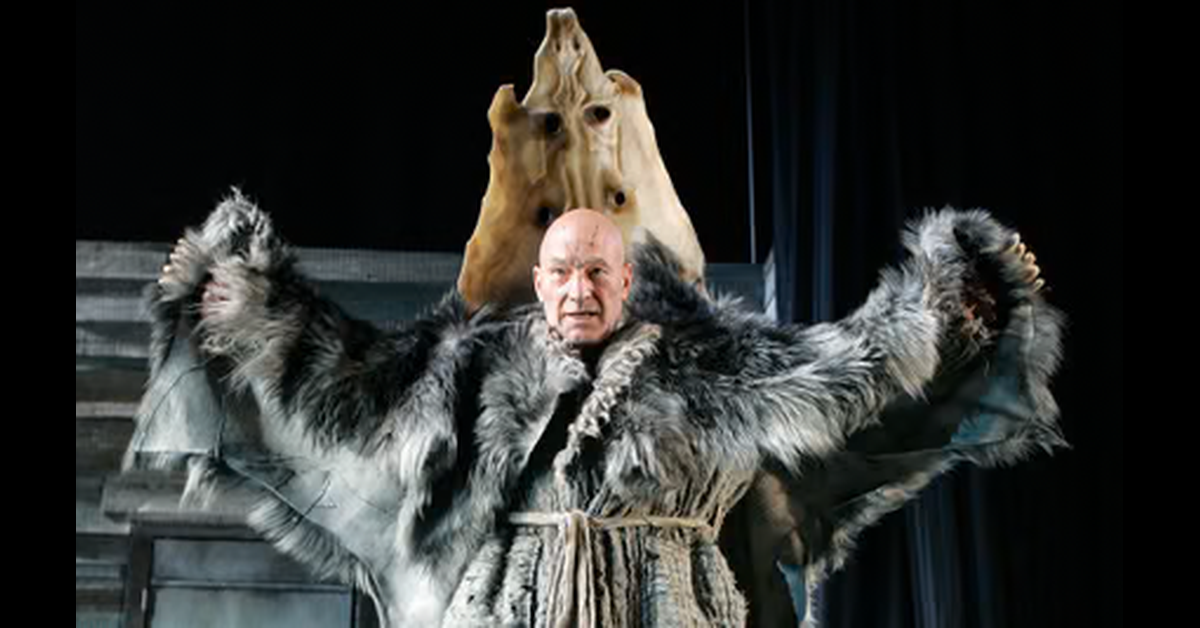
It would be a mistake to remember Stewart only for his science-fiction and superhero roles. Long before he became a familiar face in Hollywood, he had established himself as a serious classical actor.
His work with the Royal Shakespeare Company included performances in productions of Hamlet, The Tempest and Much Ado About Nothing. He also appeared in Antony And Cleopatra, for which he received an Olivier Award in 1979.
In 2008, he returned to Hamlet, playing Claudius opposite David Tennant. The production attracted considerable attention, not least because it brought together two actors from different generations who had both become familiar to television audiences.
Stewart received another Olivier Award for the production in 2009. His stage career also included Who’s Afraid Of Virginia Woolf?, Macbeth and A Christmas Carol, among numerous other productions.
He was never particularly interested in allowing his television fame to define the limits of his professional life. Even when audiences associated him almost exclusively with Picard, he continued to take on demanding theatrical work.
His friendship with fellow actor Ian McKellen was another important part of his life. The two had known each other through the British theatre world before becoming co-stars in the X-Men films. Their friendship became well known, partly because of their frequent public appearances together and their shared sense of humour.
They also appeared together in productions including Waiting for Godot and No Man’s Land. Their exchanges in interviews and public appearances often revealed a lighter side of Stewart that was not always visible in his more serious screen performances.
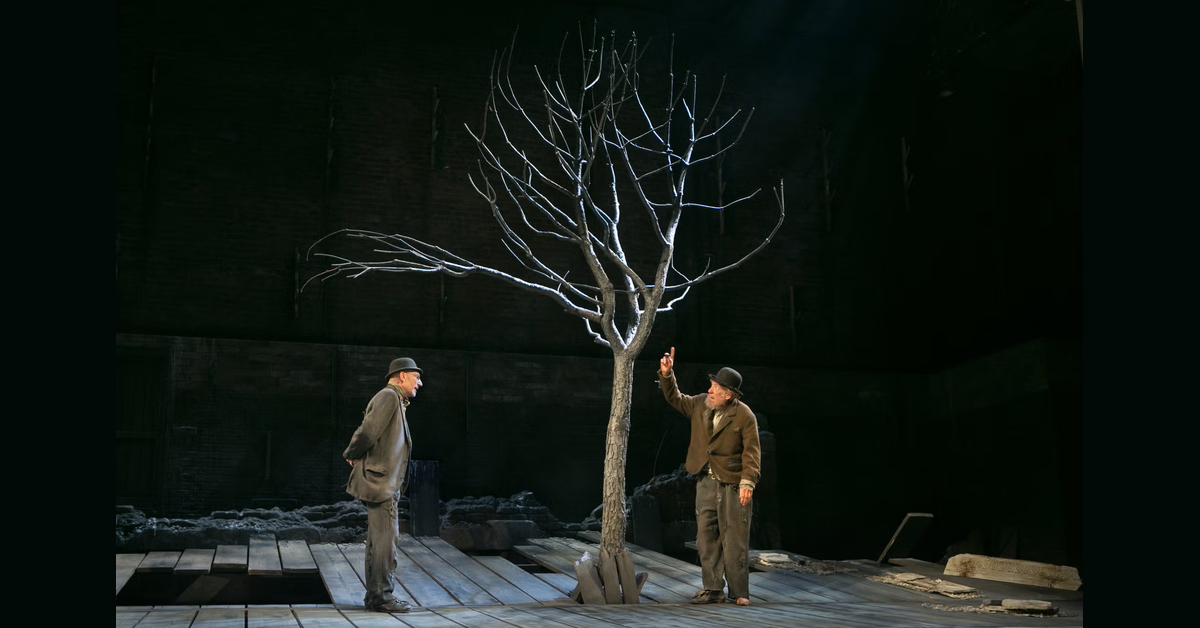
He had a considerable sense of humour, sometimes rather mischievous, and was quite capable of making fun of his own public image.
Stewart’s career was not confined to theatre and live-action films. His distinctive voice made him a sought-after narrator and voice actor. He lent his voice to animated programmes, including Family Guy and American Dad!, and narrated numerous documentaries and other productions.
He also received recognition for narrating Sergei Prokofiev’s Peter and the Wolf, winning a Grammy Award in 1996. It also showed the range of work he undertook beyond the characters that made him internationally famous.
He was knighted in 2010 for his services to drama, an honour that recognised a career extending well beyond his television and film achievements.
His personal life, meanwhile, was not without difficulties. Stewart had been married three times. His first two marriages ended in divorce, and his relationship with his children was not always easy.
In 2013, he married American singer-songwriter Sunny Ozell. The two had met in 2008, and their relationship became an important part of his later life.
He was also involved in charitable and public causes, particularly those connected with domestic violence. His own childhood experiences gave him a personal reason to speak about the subject, and he became increasingly open about the damage that violence within a family can cause.
After decades of playing characters known for their composure, he eventually became willing to discuss some of the most painful experiences of his own life.
In October 2023, Stewart published his autobiography, Making It So. He was 83 at the time.
The book was more than a collection of stories about famous co-stars, successful films and memorable stage productions. It was an attempt to revisit a life that had included considerable hardship, professional uncertainty, personal mistakes and, eventually, extraordinary success.
Stewart wrote about growing up in Yorkshire, his father’s violence, his early interest in acting, his years in the theatre and his unexpected rise to international fame. He also discussed his marriages, his relationships with his children, and the people who influenced him along the way.
One of the book’s most revealing aspects was his willingness to acknowledge that he had not always been an ideal husband or father. He did not present his life as a straightforward account of professional achievement. He also acknowledged regrets, difficult decisions, and relationships that suffered because of his dedication to his career.
In interviews promoting the autobiography, he spoke about how writing the book had forced him to confront memories that he had avoided for much of his adult life. He had spent decades keeping his childhood experiences largely private, and putting them into words was both difficult and, in some ways, liberating.
The book also contained entertaining recollections of his theatrical years and his encounters with well-known personalities. But its most interesting quality was perhaps the contrast between Patrick Stewart’s public image and the more complicated man who emerged from his own recollections.
The actor who spent years playing men of great authority also experienced insecurity, family difficulties, and professional uncertainty. His autobiography allowed readers to understand that distinction.
His 2023 conversation with The Guardian, in which he discussed his childhood and his decision to speak openly about it, was particularly revealing.
Even in his eighties, Stewart kept working. He returned to Jean-Luc Picard in the television series Star Trek: Picard, which premiered in 2020 and concluded with its third season in 2023.
The series gave him a chance to revisit a character he first played more than three decades earlier. It also brought back several members of the original The Next Generation cast, giving longtime viewers a chance to see the familiar crew together again.
His enthusiasm for acting had not diminished. In July 2026, as Star Trek marked its 60th anniversary, Stewart spoke to TV Insider about his association with the franchise and the possibility of further stories involving Picard.
He also discussed his return as Professor Xavier in Avengers: Doomsday. The film, scheduled for release in December 2026, would become his final film appearance.
In that interview, he made it clear that he did not intend to announce a formal retirement. He said that he could not imagine officially retiring and would always consider himself an actor.
Those words have taken on a different meaning after his death. The interview, published shortly before his 86th birthday, was among his final conversations with the press.
Stewart’s death drew tributes from across the entertainment industry.
Hugh Jackman, who worked with him in the X-Men films, remembered him as a great actor and a tremendous friend. He wrote that he had learned a great deal from Stewart and would miss him for the rest of his life.
Ian McKellen, his longtime friend and fellow actor, also paid tribute. Their friendship lasted decades, and their association extended well beyond their shared work in superhero films.
Jonathan Frakes, Stewart’s co-star in Star Trek: The Next Generation, remembered him as a close friend he worked with more often than anyone else in his professional life. Other members of the Star Trek cast, including LeVar Burton, Wil Wheaton and George Takei, also expressed their sadness.
Marvel Studios described Stewart as a singular talent and a generous collaborator. The Royal Shakespeare Company, meanwhile, remembered him as one of the finest classical Shakespearean actors of his generation.
The reactions were revealing because they came from people who had known different versions of him: the theatre actor, the television captain, the film star and the friend away from the cameras.
Patrick Stewart’s final film appearance will be in Avengers: Doomsday, which is scheduled to reach cinemas on December 18, 2026. His return as Professor Xavier will give audiences one last opportunity to see him in a character he first brought to life in 2000.
It is an unusual way for a long acting career to conclude. The film will arrive after his death, allowing audiences to see a performance from an actor who worked almost until the end of his life.
Yet his story can’t be measured by the number of films he made, the awards he received, or the famous characters he played. At one point, he was simply a young man from Mirfield trying to break into the world of acting. He had little reason to imagine that he would one day become an internationally recognised performer, let alone that audiences would associate his voice with a starship captain and a professor who led a school for mutants.
He had spent years performing Shakespeare before Hollywood came calling. He had experienced professional success without international recognition, and then discovered that fame could arrive much later than expected. He had also spent a considerable part of his adult life learning to speak about a childhood that he had once preferred to keep private.
Perhaps that is what makes his life particularly interesting. Patrick Stewart did not become an actor because he had been born into a world of privilege or because success was waiting for him. He found his way through teachers, books, theatre and years of hard work. The roles that followed took him much further than he could probably have imagined when he first stepped onto a stage.
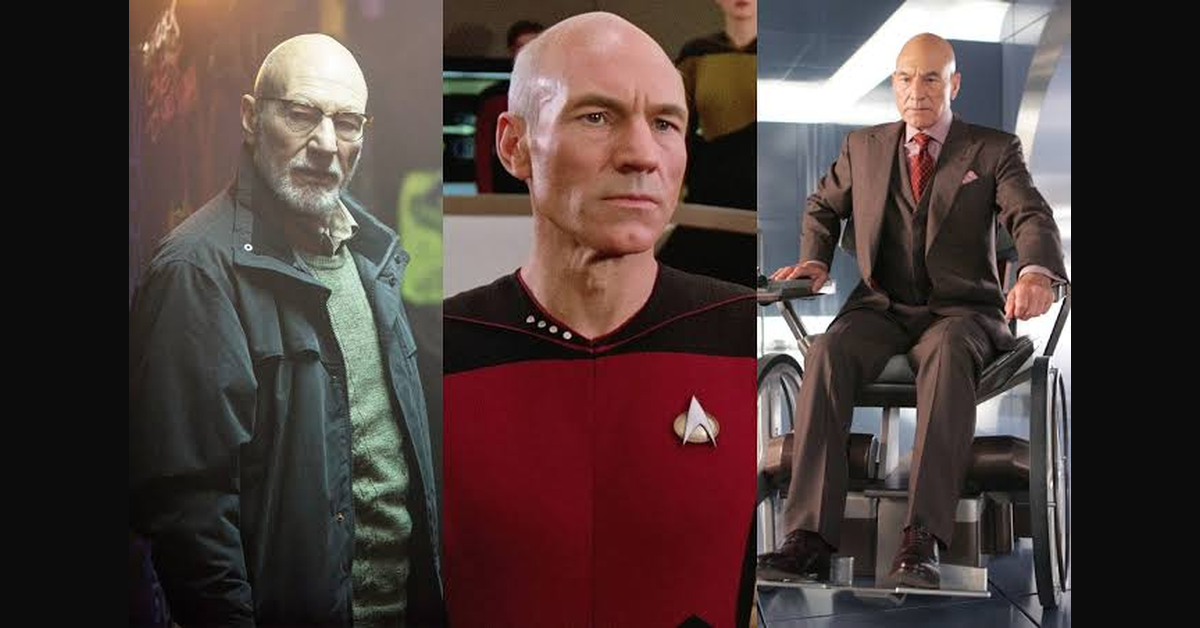
For millions, he will remain Jean-Luc Picard, sitting in the captain’s chair and calmly asking his crew to make it so. For others, he will always be Professor Xavier, guiding a group of young people who struggled to find their place in the world.
But there was a Patrick Stewart beyond both those characters: a Yorkshire man, a Shakespearean actor, a friend, a husband and a father who eventually found the courage to tell his own story.
He may have spent much of his career pretending to be someone else. With Making It So, he finally gave audiences a chance to meet the man behind the performances.
And that story, perhaps more than any single role, is what he leaves behind.
ALSO READ | Why Irrfan Khan Stands Apart As The Best Among His Contemporaries

The Story Mug is a Guwahati-based independent digital publication focused on news, analysis, commentaries, cinema, literature and culture from Northeast India and beyond.