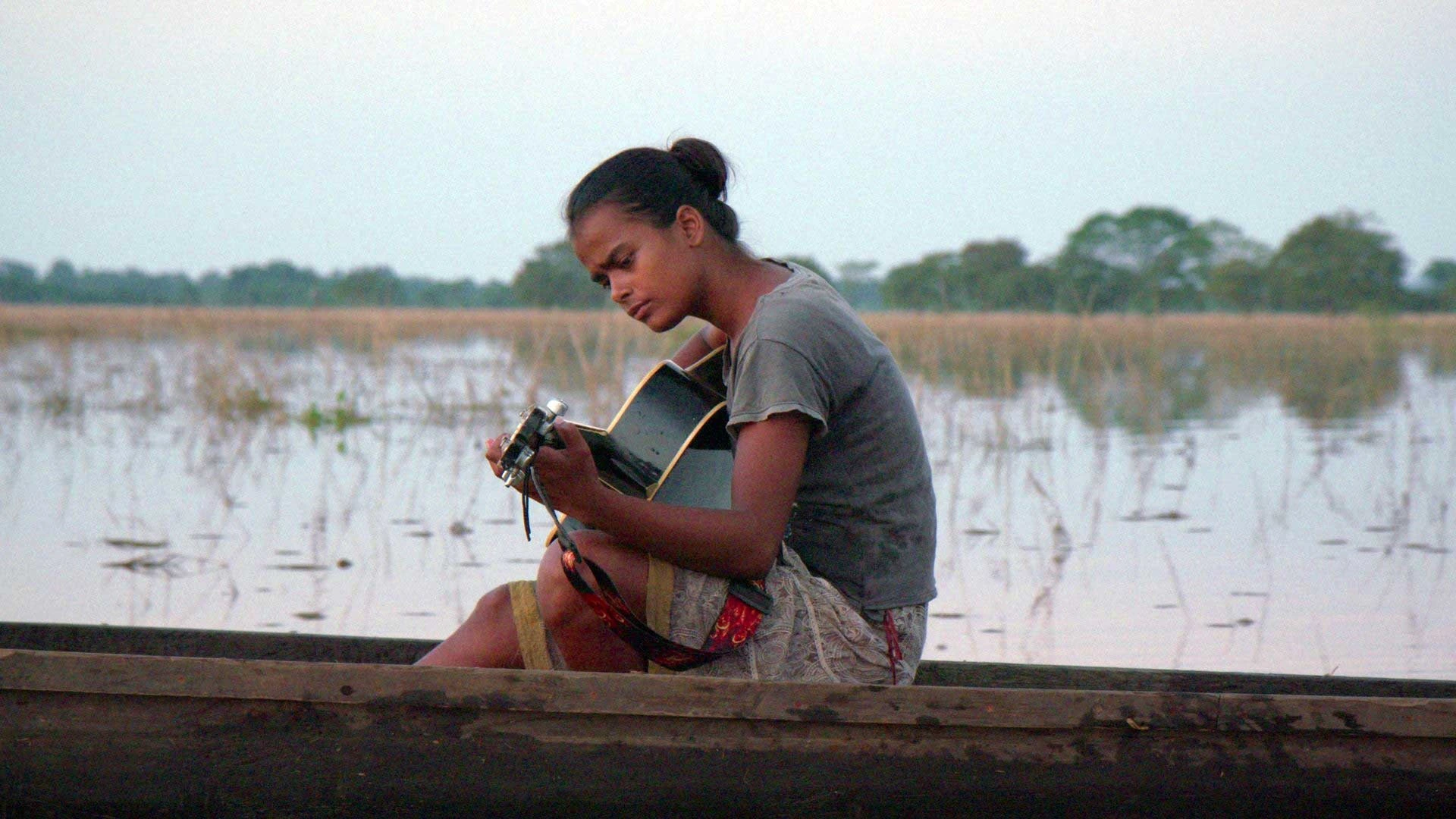
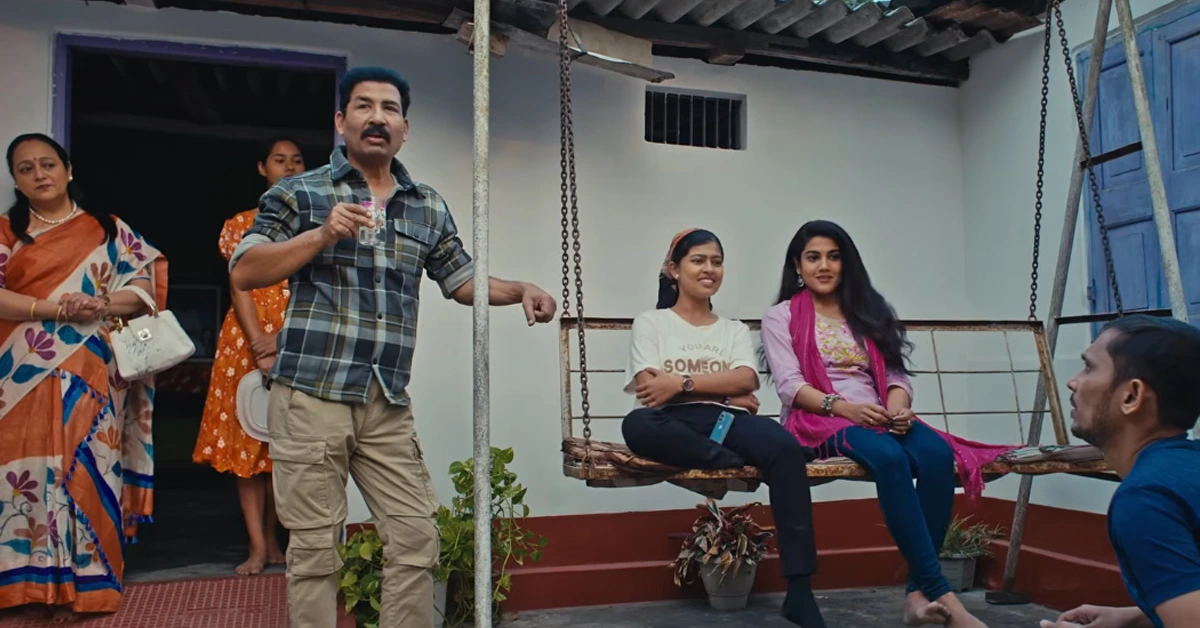
The release of Roi Roi Binale—Zubeen Garg's last film as an actor—on October 31, 2025, and its grand success at the box office made many of us believe that the good old golden era of Assamese cinema was finally back. But reality is far removed from that wishful expectation.
The state of affairs remains the same. The struggle for Assamese films continues.
After Roi Roi Binale, four more Assamese films have hit screens across Assam, but their business has been nowhere near something to feel proud about.
The films released after Roi Roi Binale have fallen flat, again raising the age-old question: why do Assamese films fail in Assam?
People from within the industry—especially those directly involved in filmmaking—may be better placed to answer this more pragmatically. But as a general viewer, what I see is simple: most Assamese films fail to create curiosity among audiences. And when curiosity is missing, theatres will naturally remain empty.
A major reason for this failure is poor marketing—sometimes no marketing at all. Many filmmakers follow completely misguided promotion strategies, as if publicity is optional. Yet marketing and publicity are as crucial to a film as its story, direction, acting, and production.
But in Assamese cinema, promotion often comes last. In many cases, it does not come at all.
At best, what we see in the name of film promotion is a team visiting a school or college before the release and interacting with students.
Yes, something is better than nothing—but this "something" is often good for nothing. Apart from that, some filmmakers hit the streets and interact with the public in a staged, make-believe manner and call it promotion.
And even after such minimal efforts, when the audience doesn't show up in theatres, the blame is placed entirely on the public, followed by endless lamenting.
Instead of lamenting and playing pass the pillow, why don't filmmakers try something smarter—something effective—something serious?
Look at Marvel Studios. Marvel is one of the biggest production houses in the world, and its product—the Marvel Cinematic Universe—is among the most sought-after film franchises globally. Of course, Assamese films cannot be compared to Marvel in terms of budget. But what can absolutely be compared is strategy.
Every time Marvel prepares for a release, it ensures that news of the film reaches every nook and corner of the world and every cinephile. The studio creates excitement long before the film hits theatres. Teasers are planned. Characters are highlighted. Social media buzz is built step by step. They do not rely on hope—they rely on planning.
MCU's Doomsday is releasing on December 18, 2026. Yet, months ahead of its release, the studio's publicity has already created a buzz.
Now ask this honestly: have Assamese filmmakers ever been successful in creating such noise and excitement around their films?
When it came to Zubeen Garg, things were different. But it's not as if every film of his was a mega hit. Zubeen’s films also faced failure. Yet he carried a pull that very few in Assamese cinema possess. As the saying goes, "the name itself is enough." Apart from him, hardly anyone in Assamese cinema—if we can even call it an "industry"—has the aura or persona to pull audiences to theatres, especially when the film itself is weak or unexciting.
Yet many Assamese filmmakers—especially some so-called stalwarts—seem to believe that since it is an Assamese film made by them, it must be a masterpiece. And therefore, the audience is expected to come thronging in, regardless of whether anyone has even seen a teaser, a trailer, a song, or a single clip.
What is even more disappointing is that this mindset is now visible among certain new-age filmmakers too, who follow their idols step by step.
No one is asking Assamese filmmakers to spend crores on promotion. The budget constraints are real. But at the very least, filmmakers must allocate a publicity budget and use it cleverly. Promotion is not only about spending money—it is also about planning, creativity, timing, and consistency.
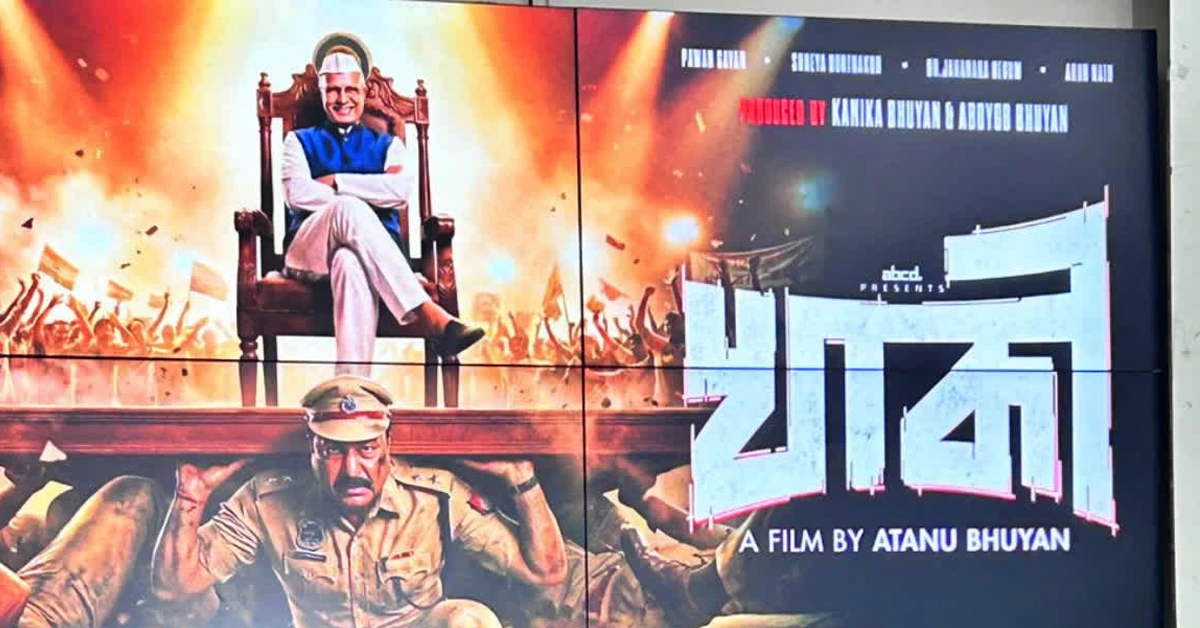
Another area that urgently needs introspection is poster design. Filmmakers must do away with insipid and lifeless artwork presented as "movie posters", sometimes even launched with great fanfare. A film poster is not just an image—it is the first impression, the first invitation, the first hook. If that itself looks dull, why should the public take the film seriously?
We often praise Malayalam cinema for the quality of its content. But Malayalam cinema is not only about content. The filmmakers there support each other and work together like a family. A director may act in a friend's film and vice versa. There is a shared ecosystem, a shared hunger to grow together.
In Assam, unfortunately, the ego of many filmmakers seems too big. Instead of working together, we often end up working against one another.
Yes, some filmmakers are trying newer tools—teasers, promos, first looks. But even these often fail to engage audiences because they are poorly planned, poorly edited, and poorly presented. They fail to create curiosity. The result is predictable: low to zero footfalls in theatres, followed by cancellation of shows.
Times have changed. Audience preferences have changed. Today, a film has to attract audiences—it cannot demand them. If Assamese cinema has to revive meaningfully, filmmakers must look deeply and honestly at how they present their films and how they sell them to the audience.
Until that happens, we will continue lamenting—forever and ever.
ALSO READ | Stop Calling Bollywood "Indian Cinema": Hindi Films Do Not Speak For The Whole Country

Partha Prawal (Goswami) is a Guwahati-based journalist who loves to write about entertainment, sports, and social and civic issues among others. He is also the author of the book 'Autobiography Of A Paedophile'.