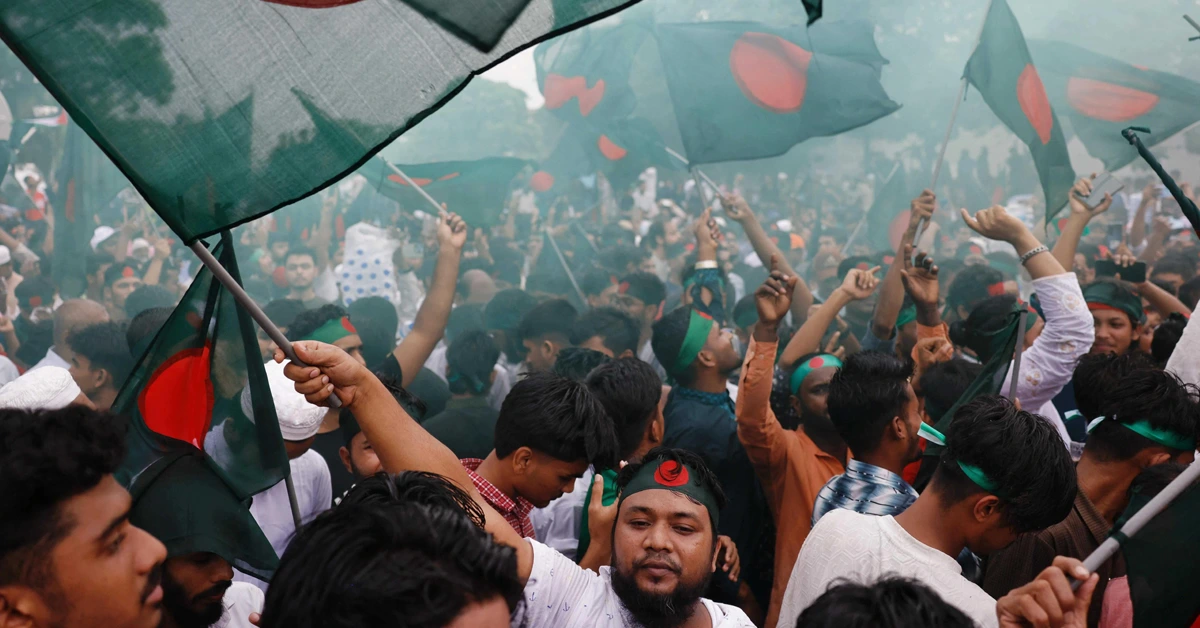
Our immediate neighbour Bangladesh is set to go to the polls on February 12, 2026, amid political unrest to elect its 13th Jatiya Sansad in Dhaka.
The ousted Prime Minister Sheikh Hasina’s party, the Awami League, has been barred from participating in the Bangladesh elections, leaving considerable space for its arch rival, the Bangladesh Nationalist Party (BNP), in the forthcoming general election.
The election in this Muslim-majority nation became necessary after the overthrow of Hasina’s government following a student-led mass uprising in July–August nearly two years ago.
The unrest led to the deaths of more than 1,400 people, including minors, and paved the way for an interim administration led by Nobel laureate Dr Muhammad Yunus, whose primary responsibility is to conduct the polls. Hasina, who had ruled the country since 2009, fled a mass rebellion on 5 August 2024 and took temporary shelter in Delhi.
The septuagenarian, widely seen as pro-India, was recently convicted by a local court and sentenced to death in absentia for crimes against humanity.
The Yunus administration has since sought her urgent extradition, further straining diplomatic ties with India.
The path to the election has remained uneven since the Yunus administration assumed charge. Tensions escalated after the shooting of Sharif Osman Bin Hadi, a young leader who emerged during the anti-Hasina unrest, by masked assailants, and his subsequent death in Singapore on December 18, 2025, while undergoing treatment.
Rumours that the assailants had fled to India were enough to rekindle anti-India—often expressed as anti-Hindu—sentiment within Bangladesh.
Numerous incidents were reported in which extremist elements targeted non-Muslim communities, prompting sharp reactions from New Delhi. Protests took place outside Indian missions, followed by counter-demonstrations outside Bangladeshi missions.
Against the backdrop of rising tensions between Dhaka and New Delhi, both countries restricted tourist visas after summoning each other’s High Commissioners to lodge formal protests.
Independent estimates suggest that nearly 200 people were killed in mob violence over the past few months. The Bangladesh Hindu, Buddhist, and Christian Unity Council has also reported a sharp rise in attacks on minorities amid the instability following Hasina’s ouster.
India’s Ministry of External Affairs recently stated that more than 2,900 incidents involving religious minorities had been recorded under the Yunus-led interim government, describing the situation as a matter of grave concern. International media reported the lynching of 29-year-old Deepu Chandra Das in Mymensingh on 18 December over an alleged blasphemy charge.
This was followed by the killing of Amrit Mondal, 30, in Rajbari. Bajendra Biswas, 42, a garment worker, was reportedly shot dead in Mymensingh by a colleague. Businessman Khokon Chandra Das, 50, was allegedly hacked and set on fire by a mob in Shariatpur and later died in hospital.
Samir Kumar Das, 28, an auto-rickshaw driver, was stabbed to death in Chittagong. The deaths of Akash Sarkar, a student of Jagannath University in Dhaka, along with Mithun Sarkar, Proloy Chaki, Sarat Chakraborty Mani and others, have further added to the tally of minority victims.
New Delhi-based Rights & Risks Analysis Group has documented a surge in targeted attacks against Bangladesh’s Hindu minority, attributing the violence to Islamist groups operating under the cover of election-related unrest.
The country reportedly recorded more than 520 communal incidents in 2025, in which over 60 non-Muslims were killed, alongside 28 cases of rape and other forms of violence against women. Several reports also noted attacks on religious sites and the desecration of Hindu idols.
The situation grew more fragile after Hasina, in a public address on 23 January, described Yunus as a “murderous fascist” and a money launderer. Dhaka reacted sharply, accusing New Delhi of giving her undue space, thereby deepening tensions between the two neighbours.
If the BNP comes to power, the pressing question now is whether such a development would be favourable for New Delhi.
ALSO READ | Former Bangladesh Prime Minister Khaleda Zia Dies Aged 80
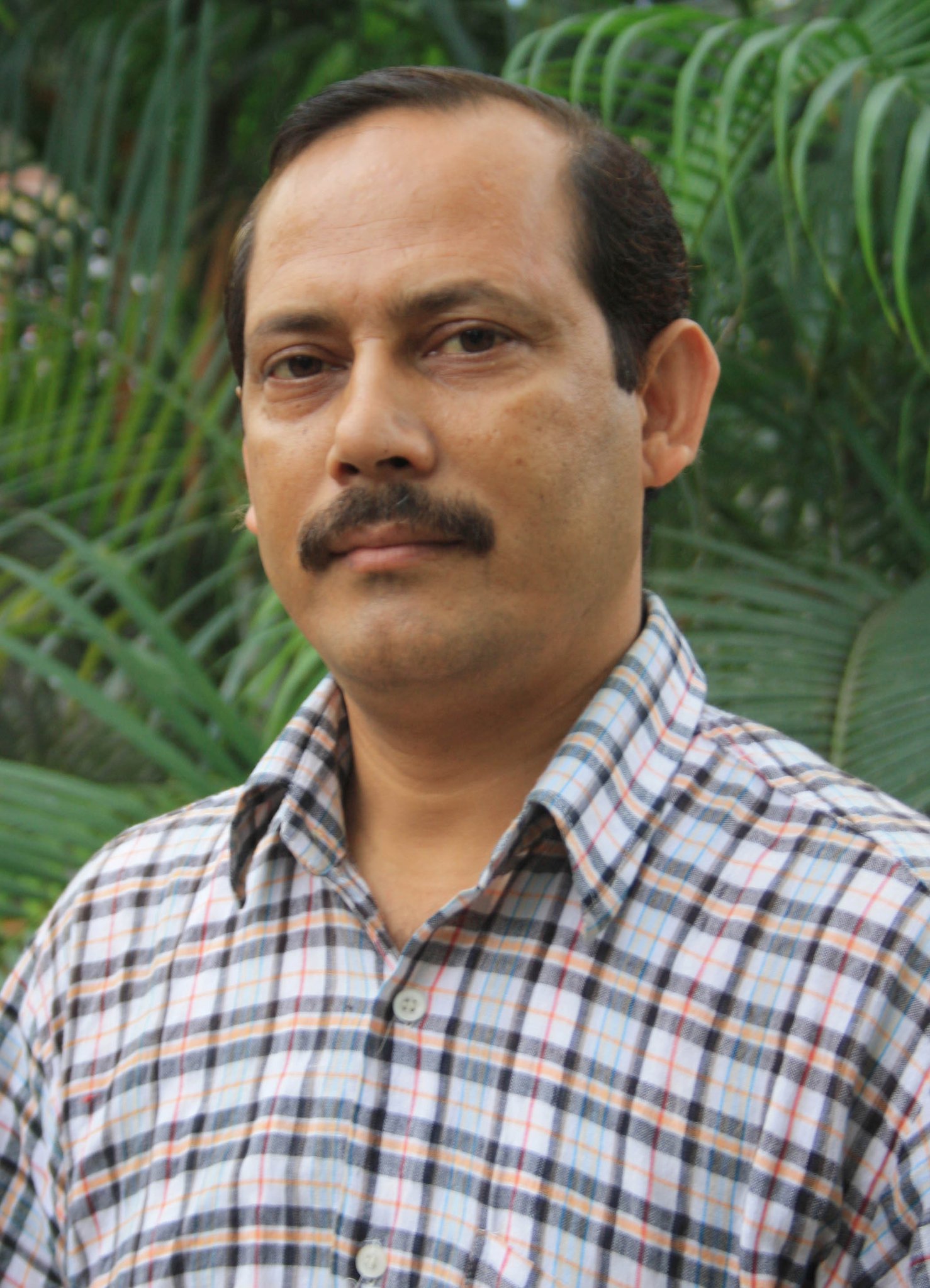
Nava Thakuria is a Guwahati based journalist and associated with various newspapers for over three decades. His focus areas remain socio-cultural developments in northeast India and the media's changing phases across the country.