The cinematic landscape rarely features a film that combines mythology, geopolitics, emotion, and spectacle in one story. Dhurandhar: The Revenge is an ambitious example.
The nearly four-hour saga is not just about vengeance but explores themes like destiny, sacrifice, and the psychological weight of justice. The film opens with a quote from the Bhagavad Gita, situating the narrative in a moral world where duty and action are deeply intertwined.
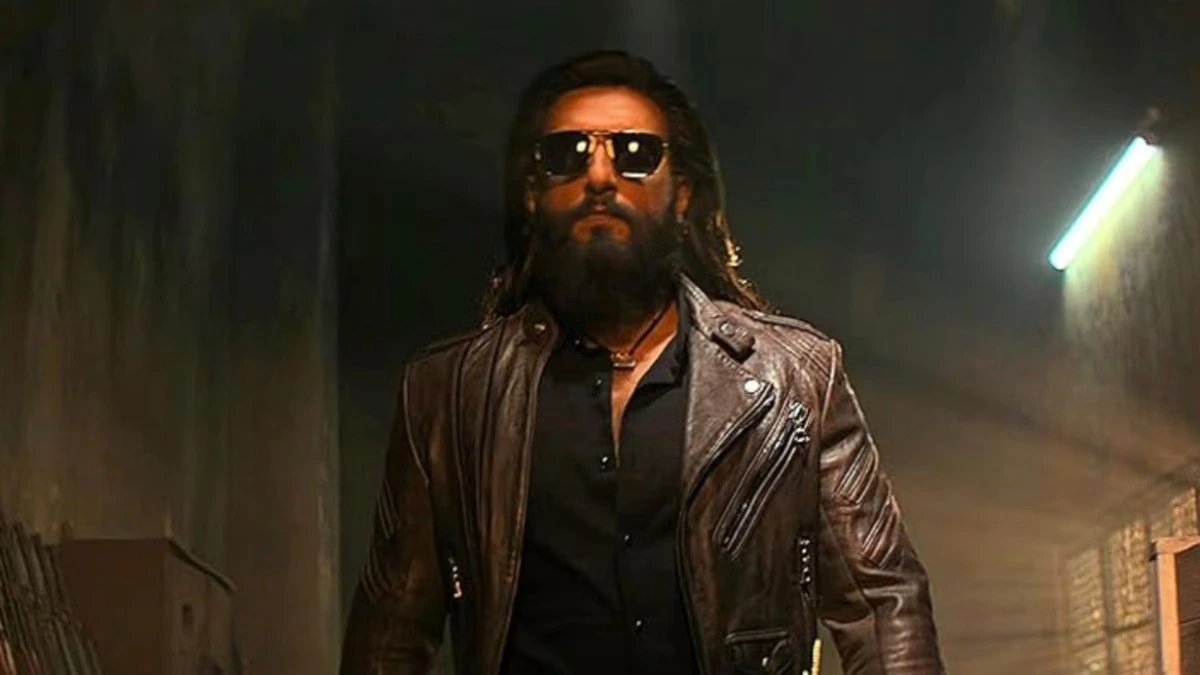
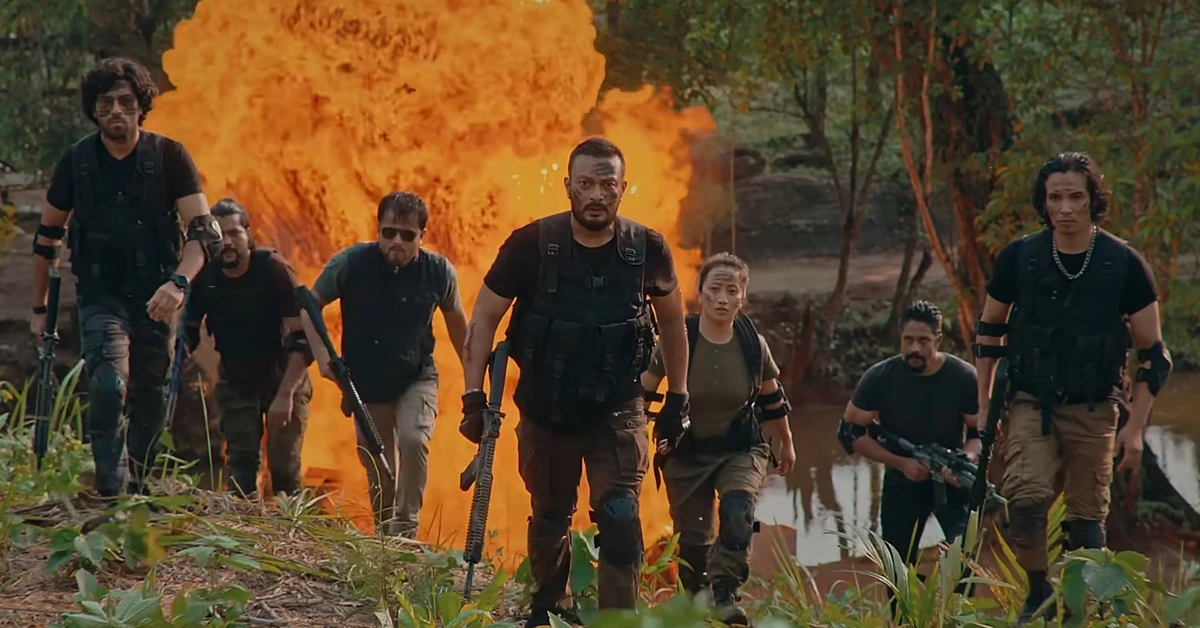
Structured in chapters echoing the Mahabharata, the film unfolds as an epic, not a conventional thriller. Each segment reveals a new layer of the protagonist, Jaskirat Singh, played by Ranveer Singh, through intensity and transformation.
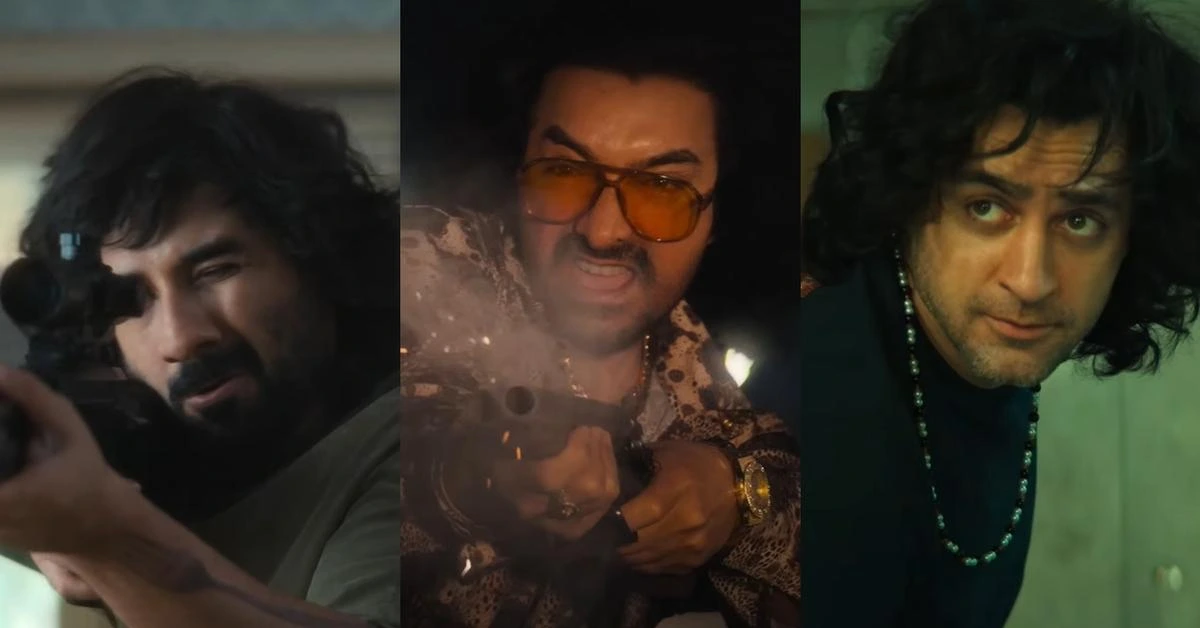
Jaskirat is not introduced as a hero. He is a wounded son, carrying trauma from his father’s death. His journey from grief to vengeance is not linear. Doubt and rage shape it, along with the slow realisation that revenge requires more than strength. It also needs the courage to endure pain.
When he tells India’s national security chief, Ajay Sanyal, played with quiet authority by Madhavan, that pain must become the fuel for revenge, the statement transcends dialogue. It becomes the emotional spine of the film.
The narrative combines real and fictional elements, crafting a world that feels disturbingly familiar. The influence of infamous gangster-politician Atiq Ahmed allows Jaskirat to obtain weapons and tap into networks hidden from state oversight. This merging of fact and fiction lends the film raw, unsettling authenticity. It shows how the boundaries between crime, politics, and national security blur, forcing people like Jaskirat into morally ambiguous situations.
Music strongly shapes the film’s identity. Old Hindi songs merge with contemporary beats, creating a nostalgic yet urgent rhythm.
The fusion reflects the film’s movement between past and present, memory and action. Khaled’s track Didi becomes Jaskirat’s Baloch entry theme, elevating his presence to near-mythic status. It works as both an introduction and a declaration, echoing the character's growing, larger-than-life aura.
The film draws from spiritual and cultural philosophies to justify its central conflict. It draws on Sikh teachings on struggle and righteous action, showing that fighting injustice is not just about revenge but a moral duty. This approach keeps the film from focusing solely on action and introduces deeper questions about duty, faith, and identity.
One of the most intriguing elements of the story is the slow unveiling of Bade Saab, an enigmatic leader. He is first briefly mentioned by ASI Aslam, played by Sanjay Dutt. Bade Saab looms over the story like an unseen force. When he finally appears—frail yet commanding, lying in a residence resembling the White House—the film shifts to a psychological focus.
Inspired by global criminal archetypes, his character shows that true power can exist without physical strength. His anger over past events and actions in geopolitical conflicts makes him a persistent threat.
The film does not shy away from revisiting historical traumas. Referring to Zahoor Mistry and the IC 814 hijacking grounds the narrative in a real crisis, reminding viewers of terrorism's lingering scars. Political imagery, such as the oath-taking of Nawaz Sharif and Narendra Modi, situates the story within a recognisable timeline and blurs the boundary between cinematic fiction and lived history.
Amidst this broad narrative, minor characters leave a mark. Yami Gautam’s role as a nurse and government spy adds quiet intrigue. Her brief screen time reinforces that patriotism often works silently, away from heroics. Rakesh Bedi’s shift to a pivotal figure in the climax subverts expectations. His poisoning of Bade Saab years earlier introduces a hidden sacrifice, suggesting history is shaped by the unseen.
The use of a contact poison developed by DRDO adds a layer of scientific intrigue, symbolising the intersection of technology and warfare.
It also reflects the evolving nature of conflict, in which battles are no longer fought only on visible fronts but also through intelligence, innovation, and strategy. This subtle emphasis on modern warfare enhances the narrative's realism.
As the film nears its conclusion, emotion intensifies. Jaskirat’s mission ends with a quiet, haunting resolution—no triumph. The final sequence set against the Margalla Hills provides a satisfying yet melancholic closure. The song “Rasputin” plays ironically, highlighting power and the unpredictability of destiny.
Dhurandhar: The Revenge is not just about avenging a father’s death. It reveals the cost of choosing a path where personal life is sacrificed for a greater cause.
The phrase Balidaan Parmo Dharma resonates as Jaskirat’s journey ends with the loss of his family but the fulfilment of duty. His story reflects countless unseen individuals who bear the burden of protecting a country that may never know their names.
The final line, "destiny doesn’t lie to me," lingers after the film ends. It captures the story’s essence: human choices shape the journey, but an underlying force guides every action.
Thus, the film goes beyond revenge drama and offers a meditation on fate, duty, and the silent sacrifices that define true heroism.
ALSO READ | 'Bhakut Kut' Review: A Simple Story Where Emotions Play Hide-And-Seek

Kaushik Nath is a writer and film critic hailing from Nagaon, Assam. He is a former Assistant Professor at Sankardeva University. His interests span cinema, urban exploration, and food history, through which he explores culture and forgotten narratives. He has travelled to over 20 countries, experiences that continue to shape his writing and perspectives.