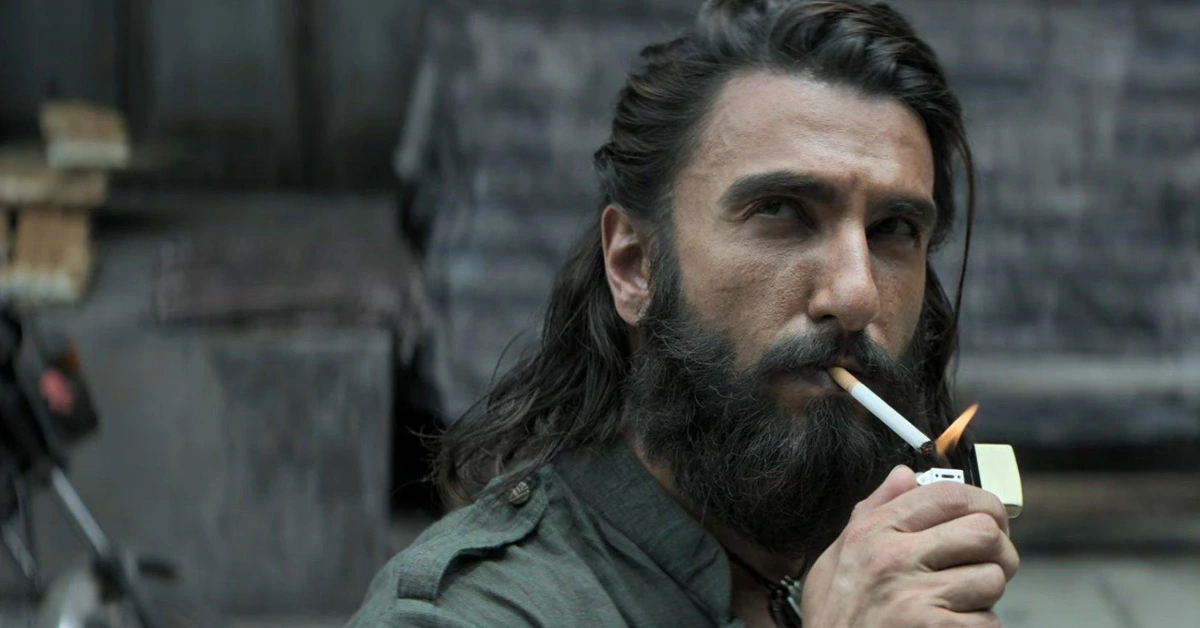
As Bollywood embraces the global rise of long-form storytelling, Dhurandhar aims to launch a franchise but falters.
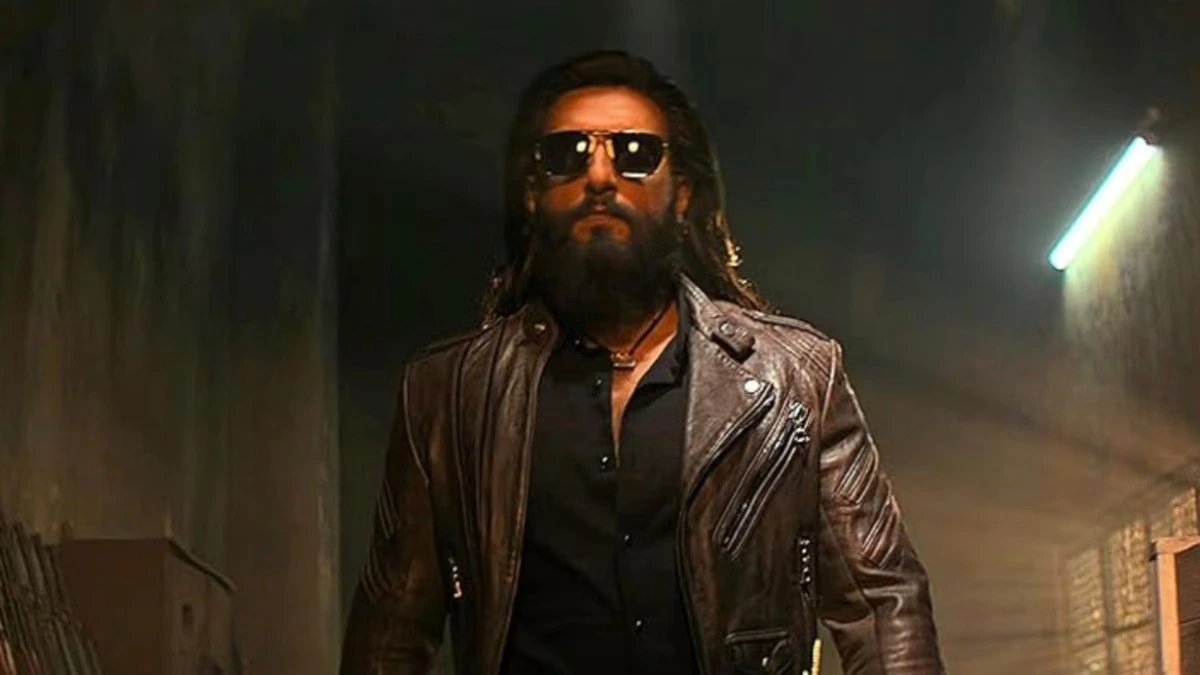
As Bollywood embraces the global rise of long-form storytelling, Aditya Dhar's spy-action thriller film Dhurandhar aims to launch a franchise but falters.
In the age of streaming and cross-platform narratives, the appetite for long-form storytelling has never been stronger. Audiences now move comfortably across multi-season arcs, labyrinthine timelines, and ensemble-driven sagas.
The Hindi film industry, although relatively new to this narrative landscape, has gradually begun to adapt. We have seen filmmakers experiment with multi-part structures, most notably Anurag Kashyap’s sprawling Gangs of Wasseypur (2012) and Kamal Haasan’s Vishwaroopam (2013) diptych. Both works justified their length by grounding themselves in robust world-building and sharply defined thematic arcs.
Their continuity across films felt earned rather than engineered.
Dhurandhar, Aditya Dhar’s sophomore feature, enters this space with the confidence of a film positioning itself as the first part of something grander. Structured across eight chapters, there is an unmistakable intention here to plant the seeds of a franchise, and spark anticipation for what lies beyond the final frame.
Yet intention, as the film demonstrates, is never enough. The trouble begins with the assumption that the promise of “more to come” can substitute for the discipline of telling a fully realised story in the present.
Where Vishwaroopam and Wasseypur used their expanding canvases to deepen emotional and political stakes, Dhurandhar seems content to treat its segmented structure as a stylistic flourish.
The narrative remains busy without ever becoming textured. This impatience reflects a broader trend in Bollywood’s engagement with long-form storytelling. Too often, the industry mistakes duration for depth and serialization for complexity.
The global shift toward narrative expansiveness has not simply been about extending stories. It has been about enriching them, allowing them to grow organically into multi-part organisms. Without that sense of organic evolution, continuity becomes a gimmick, and a promise rather than a payoff.
Dhurandhar’s ambition is not the problem. In fact, ambition is what the industry needs, especially as it navigates a post-theatrical era where audiences demand more textured narratives. But ambition must be anchored.
A franchise is not built by announcing itself as one. It is structured by earning the audience’s trust, chapter by chapter, film by film.
Dhar’s film wants to leap ahead, and gesture toward a larger narrative before the emotional and narrative scaffolding is in place. The result is a curious paradox.
A film preoccupied with the future but unable to justify its own present. In trying to position Dhurandhar as the beginning of something expansive, its makers seem to have forgotten that beginnings, too, must feel complete. Without that integrity, the long-form dream remains just as an aspiration waiting for its story.
ALSO READ | Arindam Barooah: Filmmaking Is A Learning Platform

Dipankar Sarkar is a film critic who contributes to different publications- both national and international. He is a Research Fellowship from the NFAI, Pune, India, and was one of the panelists for the selection of world cinema at the 27th International Film Festival of Kerala in 2022.