Village Rockstars 2 arrived in cinema halls across Assam on March 6, 2026, bringing back the quiet yet powerful world created by filmmaker Rima Das.
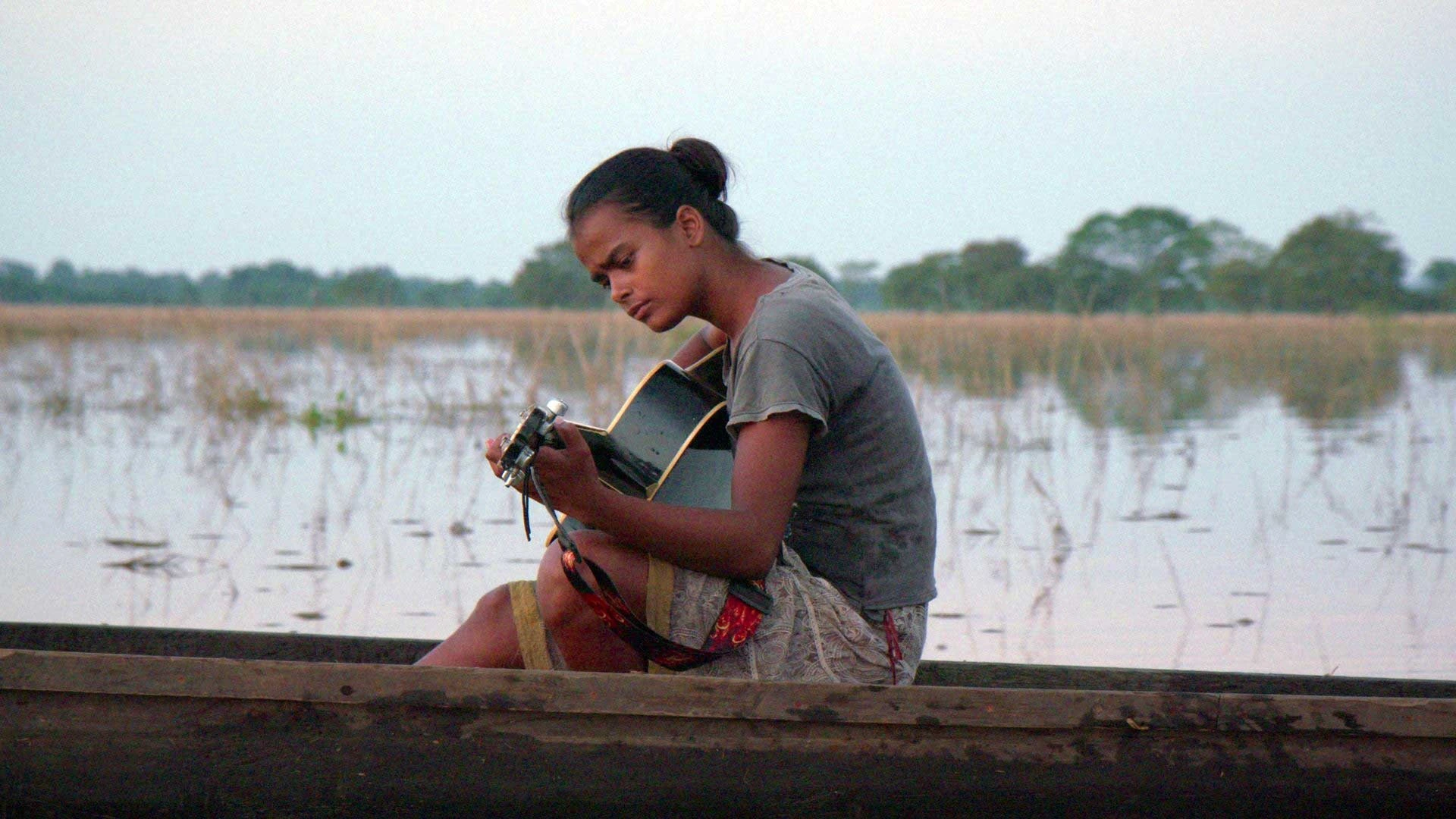
The film revisits the life of Dhunu, the spirited village girl who first captured hearts in Village Rockstars. Nearly seven years have passed since the events of the earlier story, and the sequel gently follows Dhunu as she grows into adolescence, negotiating the fragile boundary between childhood dreams and the complex realities of life in rural Assam.
Instead of dramatic spectacle, the film offers something rarer: a deeply human portrait of place, memory and belonging.
Much of the film’s emotional resonance lies in the performance of Bhanita Das, who returns as Dhunu with remarkable maturity.
Critics have praised her low-key, naturalistic performance, noting how effortlessly she conveys the character’s deep bond with her land and family.
Dhunu is no longer the wide-eyed ten-year-old who once dreamt of owning a guitar and forming a band. She is now a teenager, quietly observing the passage of time around her.
In Bhanita Das' portrayal, Dhunu appears both content and uncertain, grounded in her surroundings yet slowly awakening to the responsibilities and confusions that accompany growing up.
The film had already earned international recognition long before its theatrical release in Assam.
It premiered at the Busan International Film Festival on October 4, 2024, where it competed in the Kim Jiseok section and received the prestigious Kim Jiseok Award.
The award acknowledged the film’s quiet artistic power and reaffirmed Rima Das' place among the most distinctive voices in contemporary Asian cinema.
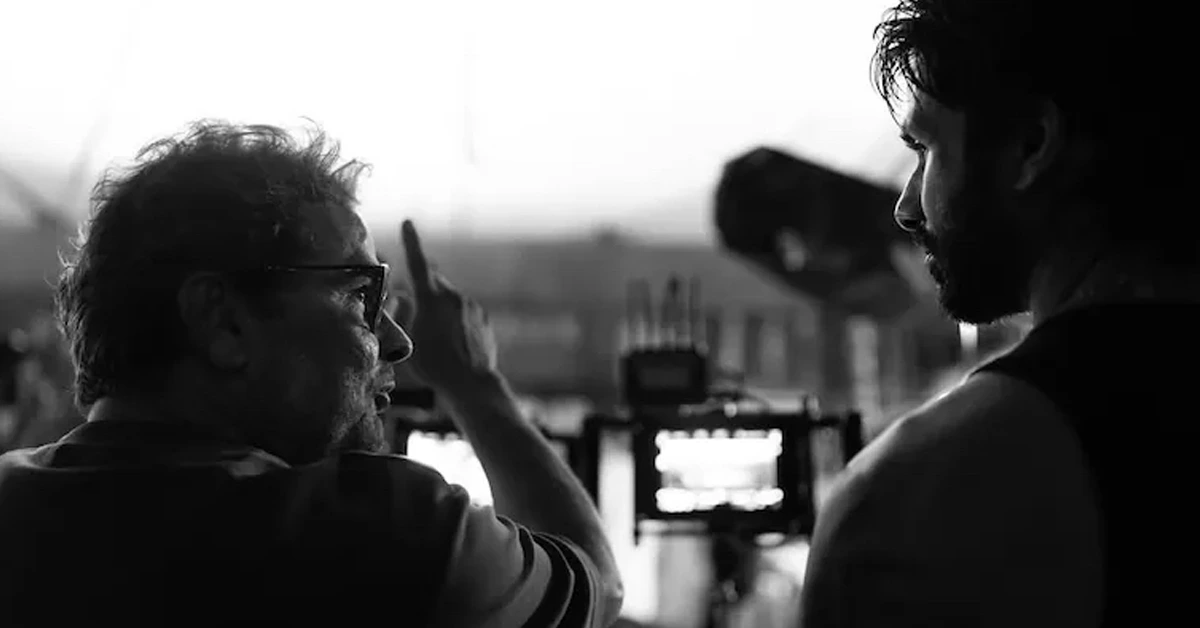
Her filmmaking style has often been described as intimate and observational, and Village Rockstars 2 continues this tradition with a subtle approach that often feels close to a documentary.
This documentary-like sensibility shapes every element of the film. The camera lingers on landscapes, muddy pathways, bamboo houses and the gentle rhythms of everyday life. Rather than rushing the narrative, Rima Das allows the viewer to breathe within the world of the village.
Her camerawork carries a poetic beauty that transforms ordinary scenes into reflections on time and existence. A simple moment — such as Dhunu walking through a field or removing leeches from her legs after the rain — becomes a symbol of resilience and survival. Through such images, the film builds a tapestry of authenticity that feels deeply rooted in Assam's soil.
Yet beneath this calm surface lies a powerful social commentary.
Village Rockstars 2 uses Dhunu’s life as a lens to reflect the struggles faced by communities in Assam today. Climate change, recurring floods and the relentless pressure on land and resources silently shape the lives of rural families.
These realities are not presented through dramatic speeches or overt political statements. Instead, they appear in the background of daily life, reminding viewers how environmental changes quietly reshape livelihoods and relationships.
The ecological concerns in the film echo the public stance taken by Rima Das herself. She had earlier criticised the Assam government’s decision to cut thousands of trees along National Highway 17 for the expansion of a four-lane road.
In Village Rockstars 2, that same concern for nature becomes part of the narrative fabric. The film communicates a strong ecological message by blending art with activism.
Without preaching, it gently reminds audiences that the landscapes of Assam are not merely scenic backgrounds but living environments that sustain communities.
At its heart, the story explores what may be called the heart of nature and the weight of life. Dhunu’s world is filled with simple tasks and quiet experiences. She looks for small jobs to earn money for her family, walks through rain-soaked fields and shares moments with friends and relatives. These everyday acts reveal the emotional depth of rural life. Desire, deception and even death appear in Dhunu’s journey, yet Rima Das does not treat them as overwhelming turning points. They arrive as natural passages in the flow of time, shaping Dhunu gradually rather than dramatically.
This narrative restraint is one of the film’s greatest strengths. Instead of dramatic twists or sensational conflicts, the story unfolds like life itself, moving gently from one moment to another.
The audience observes Dhunu growing not through dramatic events but through quiet experiences that accumulate meaning over time. In doing so, the film captures the universal feeling of adolescence — that stage of life when a person begins to understand both the beauty and the burdens of the world around them.
Sound design also plays a vital role in creating this immersive experience. The work of Shreyank Nanjappa provides the film with its natural ambience.
The rustling of leaves, distant village sounds and the soft rhythms of nature become part of the storytelling. These sounds deepen the sense of authenticity and make the viewer feel present within Dhunu’s environment.
Village Rockstars 2 stands as a quiet but powerful cinematic journey. It reminds audiences that stories do not always need loud drama to be meaningful.
Sometimes the most profound narratives emerge from watching ordinary lives unfold with patience and empathy. Through Dhunu’s journey, Rima Das celebrates the resilience of rural communities, the fragile beauty of nature and the emotional transitions of growing up.
The film becomes not only a continuation of Dhunu’s story but also a meditation on how people remain connected to their land even as the world around them changes.
ALSO READ | Why 'Village Rockstars 2' Is A Must Watch

Kaushik Nath is a writer and film critic hailing from Nagaon, Assam. He is a former Assistant Professor at Sankardeva University. His interests span cinema, urban exploration, and food history, through which he explores culture and forgotten narratives. He has travelled to over 20 countries, experiences that continue to shape his writing and perspectives.