The arrival of streaming platforms altered the terrain. In series such as Made in Heaven (Season 2) and Kaala Paani, Singh’s presence assumed a different tenor. The performances were less beholden to the declarative style of network television, permitting ambiguity, tonal shading, and the minor key
Mona Singh first entered the public imagination with Jassi Jaissi Koi Nahin (2003–06), a programme that, for a brief moment in the early 2000s, seemed to recalibrate the grammar of Hindi television.
As the bespectacled, diffident yet quietly capable Jassi, she offered a heroine defined less by ornament than by intelligence.
The performance, earnest without being naïve, secured her wide recognition. It also, inevitably, placed her within a televisual archetype as the virtuous outsider whose appeal lay in moral steadiness rather than volatility.
What followed was not a dramatic rupture but a gradual repositioning. Appearances on the dance reality show Jhalak Dikhhla Jaa extended her visibility, while her move into cinema was measured.
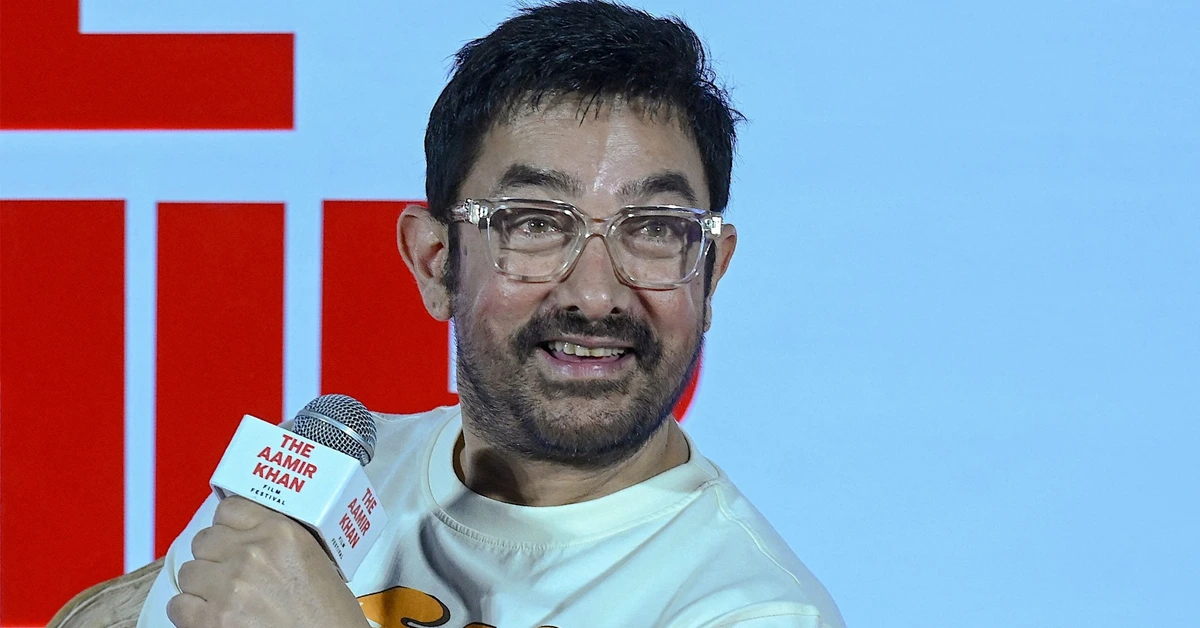
In 3 Idiots, acting alongside a cast led by Aamir Khan, she occupied a supporting space with remarkable ease. Later projects, including Laal Singh Chaddha and Munjya, did not so much announce a reinvention as suggest a careful negotiation of scale, and a willingness to work within ensembles rather than seek conspicuous transformation.
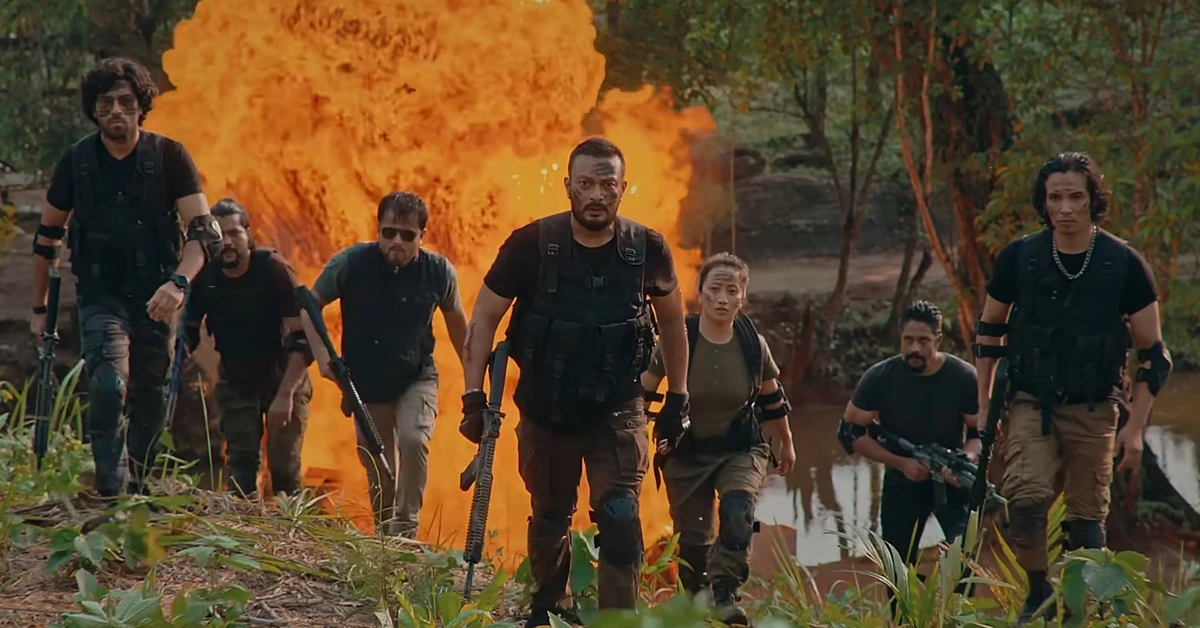
The arrival of streaming platforms altered the terrain. In series such as Made in Heaven (Season 2) and Kaala Paani, Singh’s presence assumed a different tenor. The performances were less beholden to the declarative style of network television, permitting ambiguity, tonal shading, and the minor key.
If earlier roles relied on recognisable types, these parts seemed to encourage interiority, a slowing down rather than a scaling up.
This recalibration is especially evident in the second season of Kohrra, where she plays Dhanwant Kaur with notable restraint. The character — at once an officer, a mother marked by loss, and a wife navigating private strain — is not rendered through overt displays of anguish. Instead, grief registers in fleeting gestures, in pauses rather than proclamations.
Singh privileges duty over demonstrative breakdown, allowing the authority of the role to emerge from composure. It is a performance that resists flourish, choosing an internalised gravity instead.
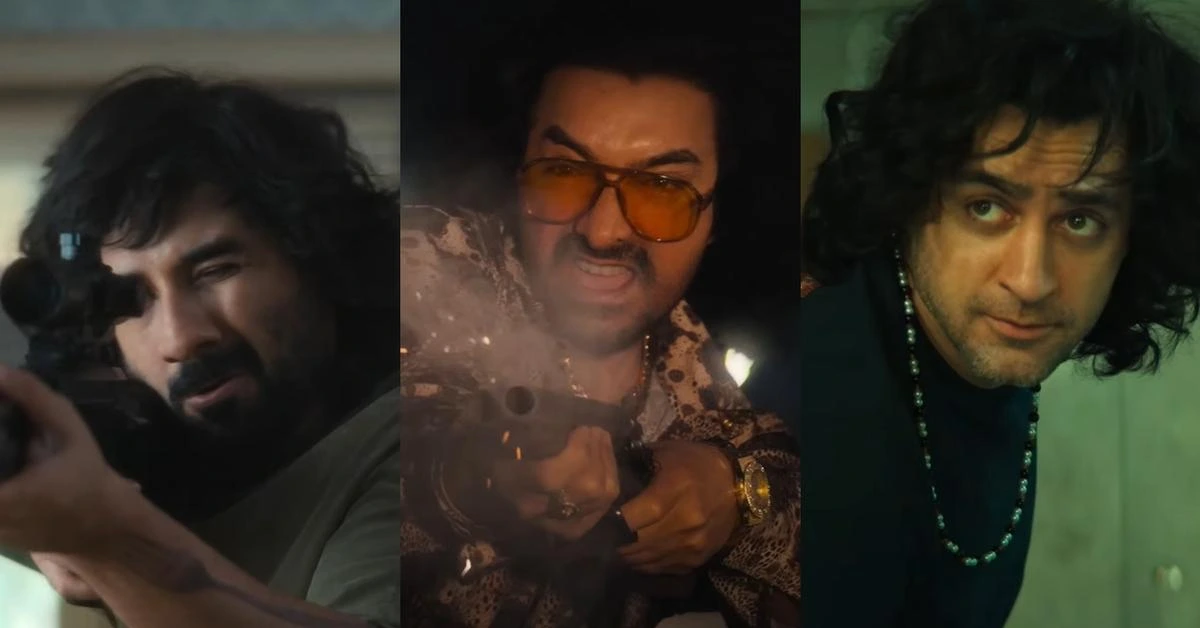
The year also revealed her willingness to court tonal extremity. In Happy Patel: Khatarnak Jasoos, she assumes the role of a flamboyant underworld matriarch whose authority is expressed as much through the eccentric ritual of feeding cutlets as through threat.
Singh approaches the part with deliberate exaggeration that is, clipped diction, calculated pauses, and an almost theatrical poise, yet grounds it in sufficient control to prevent it from dissolving into farce. It is a stylised performance, though not without moments of visceral charge, and she appears alert to the comic absurdity embedded within it.
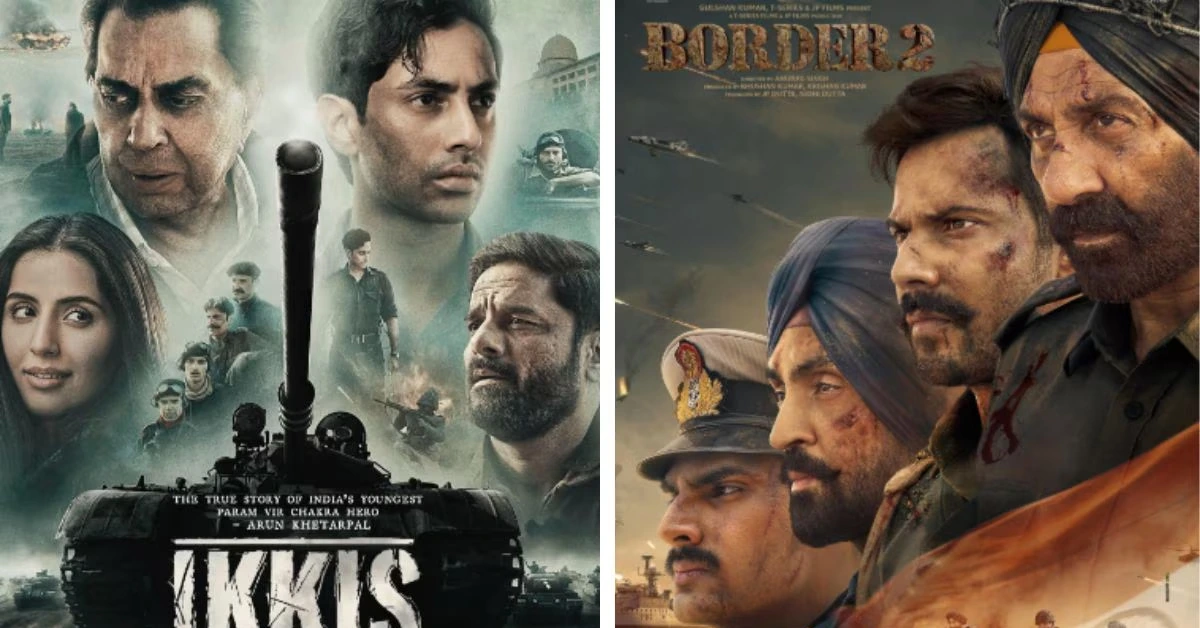
By comparison, Border 2 situates her within the familiar architecture of the Hindi war drama, a genre habitually organised around its male protagonists. Here she serves as the emotional counterpoint, investing her character with a maturity that tempers spectacle with domestic consequence.
If the film belongs to its soldiers, her presence anchors its cost.
Across these varied projects, the through-line is not flamboyant reinvention but continuity. Singh’s career does not proceed through headline-grabbing transformations. It advances by incremental adjustments to shifting industrial contexts, from the moral certainties of early-2000s television to the diffuse ecology of contemporary streaming.
She has negotiated visibility without aggressively repudiating her origins, accepting supporting spaces as often as central ones.
To assess her trajectory, then, is less to celebrate a series of triumphs than to consider the quieter matter of durability.
In an industry that often prizes spectacle over steadiness, Singh’s work suggests a model of persistence allied to adaptability, range expressed through modulation rather than rupture.
The question her career poses is not whether she has transformed but how she has endured, and what that endurance reveals about performance in a landscape perpetually in flux.
ALSO READ | Adil Hussain: The Aristocrat Actor

Dipankar Sarkar is a film critic who contributes to different publications- both national and international. He is a Research Fellowship from the NFAI, Pune, India, and was one of the panelists for the selection of world cinema at the 27th International Film Festival of Kerala in 2022.