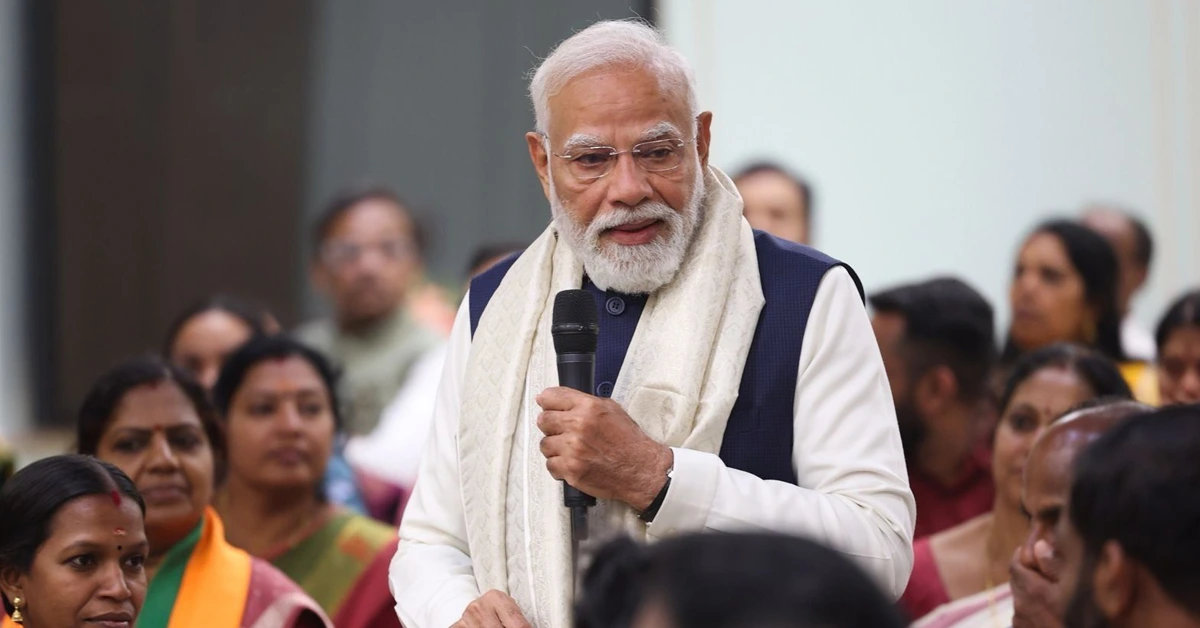
A key highlight of the visit will be Modi’s address to the Knesset, Israel’s parliament. He is set to become the first Indian leader to deliver a speech there, underlining the deepening diplomatic engagement between the two countries
Prime Minister Narendra Modi has begun a two-day state visit to Israel aimed at strengthening the India–Israel strategic partnership across defence, technology, trade and security cooperation.
The visit marks PM Modi’s second trip to Israel, nearly nine years after his landmark 2017 visit — the first ever by an Indian prime minister.
Officials say the trip is intended to review progress in bilateral ties and set the direction for future cooperation between the two countries.
Modi departed India on February 25, 2026, Wednesday, morning and is scheduled to hold extensive talks with Israeli Prime Minister Benjamin Netanyahu.
Discussions are expected to cover defence collaboration, innovation, agriculture, water management, cybersecurity and economic ties.
Both leaders are also likely to exchange views on regional developments and global issues, reflecting the growing political alignment between the two nations.
A key highlight of the visit will be Modi’s address to the Knesset, Israel’s parliament. He is set to become the first Indian leader to deliver a speech there, underlining the deepening diplomatic engagement between the two countries.
The visit also includes meetings with Israeli President Isaac Herzog and participation in ceremonial events. Modi is expected to visit Yad Vashem, the Holocaust memorial in Jerusalem, before concluding his trip.
Israeli media have given the visit prominent coverage, reflecting the importance Jerusalem places on relations with New Delhi. Analysts describe India as one of Israel’s most significant partners in Asia.
Security cooperation is likely to dominate the talks. India and Israel already share strong defence ties, with Israel among India’s leading suppliers of military equipment.
Officials indicate that both countries aim to expand collaboration in counter-terrorism, joint training, cyber defence, artificial intelligence and emerging threats such as drone warfare.
There are also expectations of renewed security agreements and technology-sharing initiatives as both nations respond to changing geopolitical conditions in West Asia.
Experts believe closer cooperation could include advanced systems such as missile defence and laser-based technologies, although specific deals have not been officially confirmed.
Beyond security, the visit aims to deepen economic engagement. Trade between India and Israel has grown steadily, particularly in high-technology sectors, agriculture, water management and start-up collaboration.
Officials say the two sides will explore new avenues in innovation and science partnerships, as well as measures to boost bilateral trade and investment flows.
Israel’s expertise in water conservation, irrigation technology and desert agriculture remains of particular interest to India, especially for climate-vulnerable regions.
The trip comes amid shifting political dynamics in West Asia. Analysts view India’s engagement with Israel as part of a broader foreign policy approach that seeks to balance relations across the region while pursuing national security and economic interests.
Relations between the two countries have strengthened significantly since 2014, evolving into what officials describe as a 'comprehensive strategic partnership'.
The visit also signals India’s intention to play a more active role in global geopolitics, particularly in areas such as technology cooperation, defence innovation and counter-terrorism.
Domestically, the visit has drawn mixed reactions. Critics argue that India should maintain a balanced approach to West Asian diplomacy, including engagement with Palestine, while supporters say closer ties with Israel serve India’s security and technological interests.
In Israel, the visit has generated both enthusiasm and political debate, particularly around Modi’s planned address to parliament.
Officials on both sides expect the trip to produce agreements that will shape bilateral relations for years to come. The visit is widely seen as an effort to move the India–Israel strategic partnership beyond traditional defence ties toward broader cooperation in technology, innovation and economic development.
As Prime Minister Naendra Modi concludes his engagements and returns to India, observers will watch closely for concrete outcomes that reflect the evolving partnership between the world’s largest democracy and one of the Middle East’s most technologically advanced nations.
ALSO READ | Assam CM Gifts PM Modi Rhino Made Of Semiconductor Chips

The Story Mug is a Guwahati-based Blogzine. Here, we believe in doing stories beyond the normal.