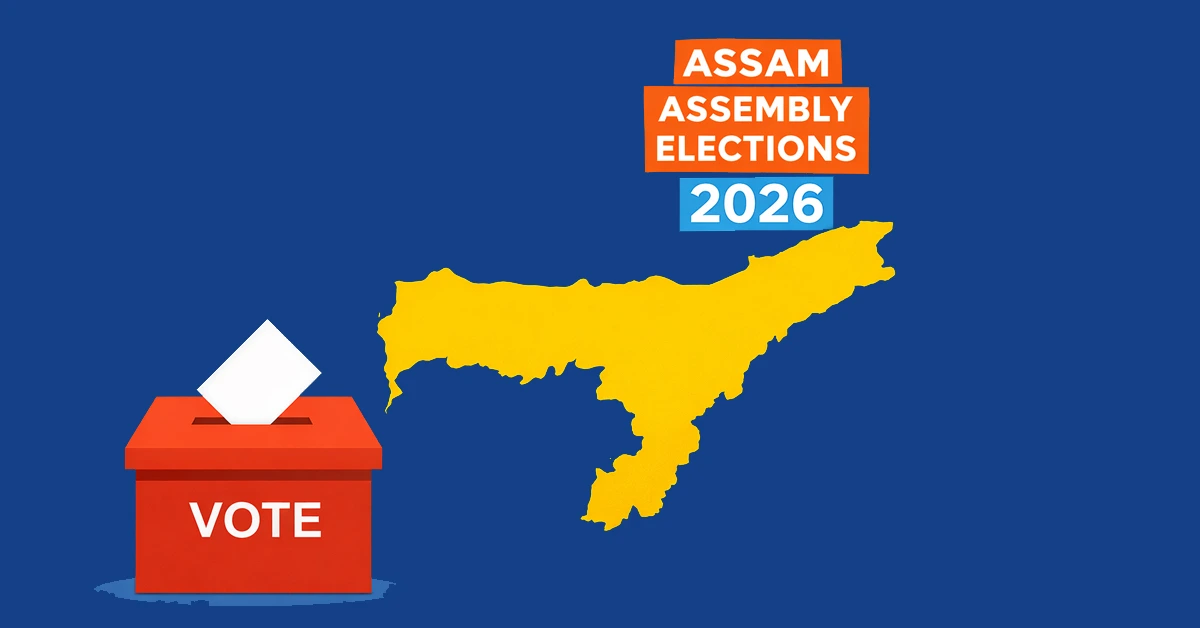
Polling for the 16th Assam Assembly election is expected in April, possibly in a single phase before Bohag Bihu, though the Election Commission of India has not yet announced the exact dates. Voters will decide which party forms the government in Dispur, largely based on the promises made in the election manifestos.
In reality, very few people read these manifestos closely. Most voters only know the broad promises being made. The election manifestos of the political parties will be out soon, and each party will announce a long list of commitments—from freebies to guaranteed jobs—touching on a range of issues.
But a basic question remains: are these the only issues that matter in an election?
A closer look at the manifestos and campaign discussions reveals silence on several important subjects. Three issues in particular stand out because none of the major parties appears willing to address them directly.
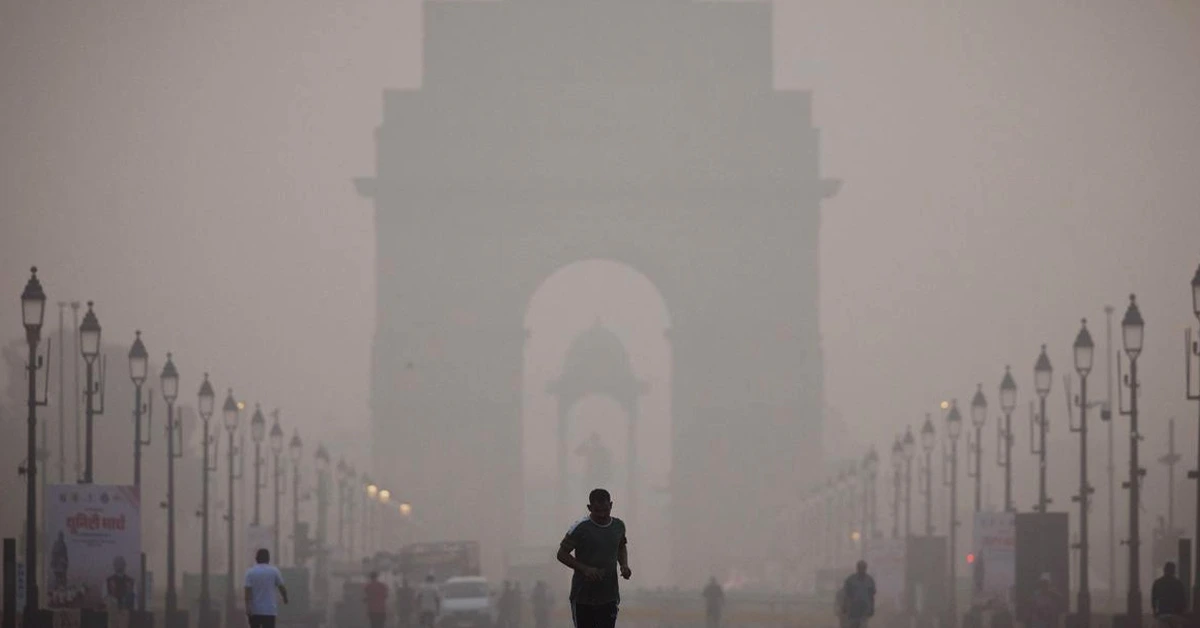
Climate change and environmental pollution should have been central election issues. Their impact cuts across caste, religion, class and political affiliation. Every resident of Assam is affected by environmental degradation.
Political leaders regularly speak about climate change at conferences and public forums. Yet these concerns rarely find a place in election manifestos. The gap between public statements and electoral commitments is difficult to ignore.
Environmental and anti-pollution laws exist, but enforcement remains weak. Activists point out that authorities themselves often violate these laws.
Climate activists often have voiced their opinions on the issues, and many feel that the current legal framework is inadequate and fails to address the scale of environmental damage taking place today.
If political parties were serious about tackling pollution, they could begin with their own campaign practices. Political rallies routinely leave behind piles of plastic waste—banners, posters, water bottles and polythene bags. These materials add significantly to local pollution.
Simple measures, such as reducing plastic banners and posters during campaigns, could demonstrate genuine commitment. Yet this issue has not found space in any manifesto.
But perhaps I am expecting too much from political parties. After all, they seldom think twice before ordering the felling of lakhs of trees in the name of infrastructure and urban makeovers.
From the construction of roads and bridges to projects such as “twin towers” and “world-class exhibition halls”, governments rarely hesitate to clear trees. Equally telling is the silence of the opposition, which seldom raises its voice to question or resist such decisions.
Another issue that often fails to find a space in the political conversation is the situation of the LGBTQ+ community.
The Supreme Court has already decriminalised Section 377 of the Indian Penal Code, affirming that consensual same-sex relationships between adults are not a crime. Parliament has also passed the Transgender Persons (Protection of Rights) Act. Despite these developments, social acceptance remains limited, and discrimination continues.
Political parties have largely avoided stating their position on LGBTQ+ rights. Their manifestos do not outline policies or protections for the community.
According to Guwahati-based LGBTQ+ activist Shivlal Gautam, any government coming to power should at least acknowledge queer issues, even if they do not make them a central agenda.
He notes that governments occasionally issue statements supporting the community, but these rarely translate into real action.
One immediate step could be the establishment of state-run shelter homes for LGBTQ+ individuals who are forced out of their homes.
Activists argue that civil society organisations alone cannot run such facilities without government support.
Members of the LGBTQ+ community are also voters. Their concerns deserve attention beyond symbolic statements.
Child rights are another area largely ignored by political parties during elections and rarely find a place in election manifestos. Even when they are mentioned, the focus tends to be more on popular appeal than on practical policy measures. Issues such as child protection, malnutrition, access to quality education, and the enforcement of child labour laws do receive attention, but much of it appears confined to paperwork and official reporting rather than meaningful action on the ground. As a result, child rights remain more of an administrative talking point than a serious electoral priority.
Time and again, child rights activists have pointed out that political parties tend to overlook children because they do not vote. As a result, issues affecting them receive little attention during election campaigns.
Yet the challenges are serious. Cases of child sexual abuse continue to rise, and infant mortality remains a concern in several areas. These issues require long-term policy planning and consistent government action.
In November 2020, nearly 4,000 children from 40 organisations released a manifesto outlining their concerns ahead of the Assam Assembly elections. Children from 17 districts contributed to the document in the hope that political parties would include their demands in their own manifestos.
The charter called for protection from all forms of violence, affordable healthcare, nutritious food, and quality education for every child. It also demanded safe drinking water, proper sanitation, improved school infrastructure, and safe public spaces where children can grow and play.
The document further emphasised the need to protect the rights of differently-abled children and ensure they receive proper rehabilitation and social support.
In reality, election manifestos have increasingly become marketing documents. They are designed to project hope and reassurance rather than realism.
This approach may help political campaigns. But it does little to address the deeper structural problems of society.
Democracy requires honest conversations about difficult issues. When political parties avoid these conversations, the public discourse becomes shallow.
A serious manifesto should not only promise benefits. It should also identify uncomfortable challenges and outline credible strategies to address them.
Voters deserve honesty about the problems a society faces, even when the solutions are complicated or unpopular.
Until political parties begin to treat manifestos as policy documents rather than campaign brochures, many of the most important issues will remain outside electoral debate.
And that silence will continue to shape the future more than the promises written in those manifestos.
These demands reflect basic rights rather than ambitious political promises. Yet they remain largely absent from election discussions.
I know that writing these lines will not affect the outcome of the Assam election of 2026. However, I hope that these three issues will someday receive the attention they deserve and eventually become decisive factors in determining the fate of candidates, regardless of their political ideology or party affiliation.
ALSO READ | Poor Representation Of Women Candidates In Elections Continues

Partha Prawal (Goswami) is a Guwahati-based journalist who loves to write about entertainment, sports, and social and civic issues among others. He is also the author of the book 'Autobiography Of A Paedophile'.