Amid an existential crisis in northeast India’s well-known media house, The Assam Tribune group of newspapers—which worsened after the Covid-19 pandemic—a popular Assamese weekly newspaper ceased publication in the latter part of 2025.
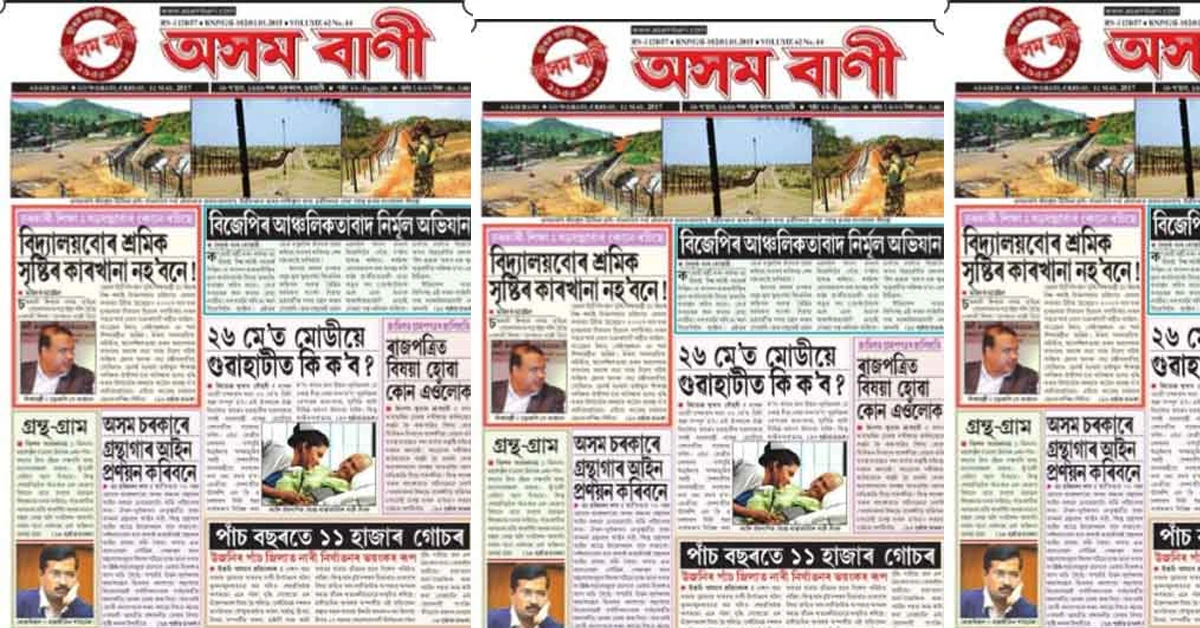
Asom Bani, once a mainstream weekly for Assamese readers for decades, stopped hitting the stands in September 2024, as the management lost interest in continuing its printing every Friday.
Even though the seven-decade-old Guwahati-based Assamese-language weekly disappeared from the media market, the management did not make any statement about Asom Bani’s fate.
Prior to its departure and discontinuation of print, the weekly was merged with Dainik Asom, an acclaimed Assamese daily from the prestigious media house, as its Friday supplement.
Once edited by prominent Assamese journalist-authors, namely Satish Chandra Kakati, Tilak Hazarika, Phani Talukdar, Nirod Chowdhury, Homen Bargohain and Chandraprasad Shaikia, the weekly had Dilip Chandan as its last editor, who served Asom Bani for nearly three decades.
Launched on July 1, 1955, by legendary Assamese entrepreneur Radha Govinda Baruah, the weekly witnessed and reported various important socio-political developments, including the Assamese-medium (instruction in schools) movement, the Assam anti-influx agitation, the abrupt rise of separatist-influenced insurgency, social unrest, the emergence of regional politics, and its diminishing popularity—while maintaining sincerity towards the indigenous population.
As the pandemic severely affected the circulation of all newspapers published by The Assam Tribune group, its subsequent impact was seen in shrinking advertisement revenues from commercial entities.
Like many other media institutions across India, The Assam Tribune group also faced a severe financial crisis, which began reflecting in irregular salary disbursements to employees, including working journalists.
The employees’ union went public with various difficulties, including unpaid dues meant for retired employees. The union leaders also alleged that the group had not received a large amount of money from the State Information & Public Relations Directorate (against published advertisements).
Soon, rumours spread about the probable sale of the entire media group to another city-based television house. However, The Assam Tribune management strongly denied this, terming the rumours false portrayals.
In an official statement, the management assured its firm commitment “to its editorial independence, journalistic integrity, and continued service to its readers, advertisers, and stakeholders”.
The management even urged all concerned to “disregard such baseless speculation and refrain from spreading misinformation”.
Needless to mention, its primary news outlet, The Assam Tribune, which first came to light on August 4, 1939 (with Lakshminath Phukan as its first editor), continues to be the highest-circulated English daily in the northeast region.
However, assurances by the management led by Prafulla Govinda Baruah (second son of RG Baruah, who died on December 14, 2025, at the age of 93) did not prevent the handing over of responsibility for Dainik Asom—now over six decades old—to a different media group owned by young entrepreneur Kishor Borah, who runs the Assamese satellite news channel ND24.
The deal was made public on September 17, 2025, following which the new management took responsibility for publishing Dainik Asom, but did not prefer to take care of Asom Bani (which had already ceased to be an independent publication). As a supplement of Dainik Asom, the weekly hit the stands on September 12, 2025 for the last time.
The new management of Dainik Asom did not retain all engaged media employees and, in a single day on September 18, 2025, over 70 employees (many of whom were on extended tenures with monthly lump-sum payments) lost their jobs.
The Assam Tribune management assured them of all legal dues within a few weeks, but this did not materialise. Having no options, they approached the labour court demanding their dues (seemingly to the tune of six crore rupees altogether).
It is unfortunate that the media house, which was India’s first institution to implement the recommendations of the statutory Majithia Wage Board in 2012, is now taking an escapist route by avoiding legal payments to retired employees.
Media observers believe that the Tribune house usually maintained credibility while disseminating information, editorial viewpoints and other articles, but in recent times the same principles have been largely compromised.
Its prime mover (The Assam Tribune) lavishly supported the anti-Citizenship Amendment Act movement that broke out in 2019, providing huge space to the public uprising that denounced the Union government’s initiative to politically support persecuted Hindu, Sikh, Buddhist and Christian families coming from Pakistan, Afghanistan and Bangladesh to India.
The chaos engulfed the Brahmaputra valley of Assam for weeks, with the narrative that the new citizenship law would discredit the Assam Accord (signed in 1985 to culminate the six-year-long anti-foreigner agitation).
Moreover, the people of Assam remember when the newspaper produced a series of voluminous reports on the backdrop of a city press club election, despite questionable credibility, where the editorial focus was exposed as biased, unprofessional and marred by character assassination of the then secretary of the Guwahati Press Club—putting its hard-earned integrity at stake.
The Assam Tribune, in particular, exercised its liberty (with no accountability) to report on the matter as some ill-motivated reporters had callously planned.
The present financial status of The Assam Tribune group remains pathetic, but it was not entirely orchestrated by the pandemic alone; rather, the situation was complicated by a section of arrogant media professionals who enjoyed due benefits but went on to create disorder in the media house—shockingly, with the management turning out to be a mute spectator.
ALSO READ | Press Emblem Campaign Condemns Journalist's Killing In Bangladesh
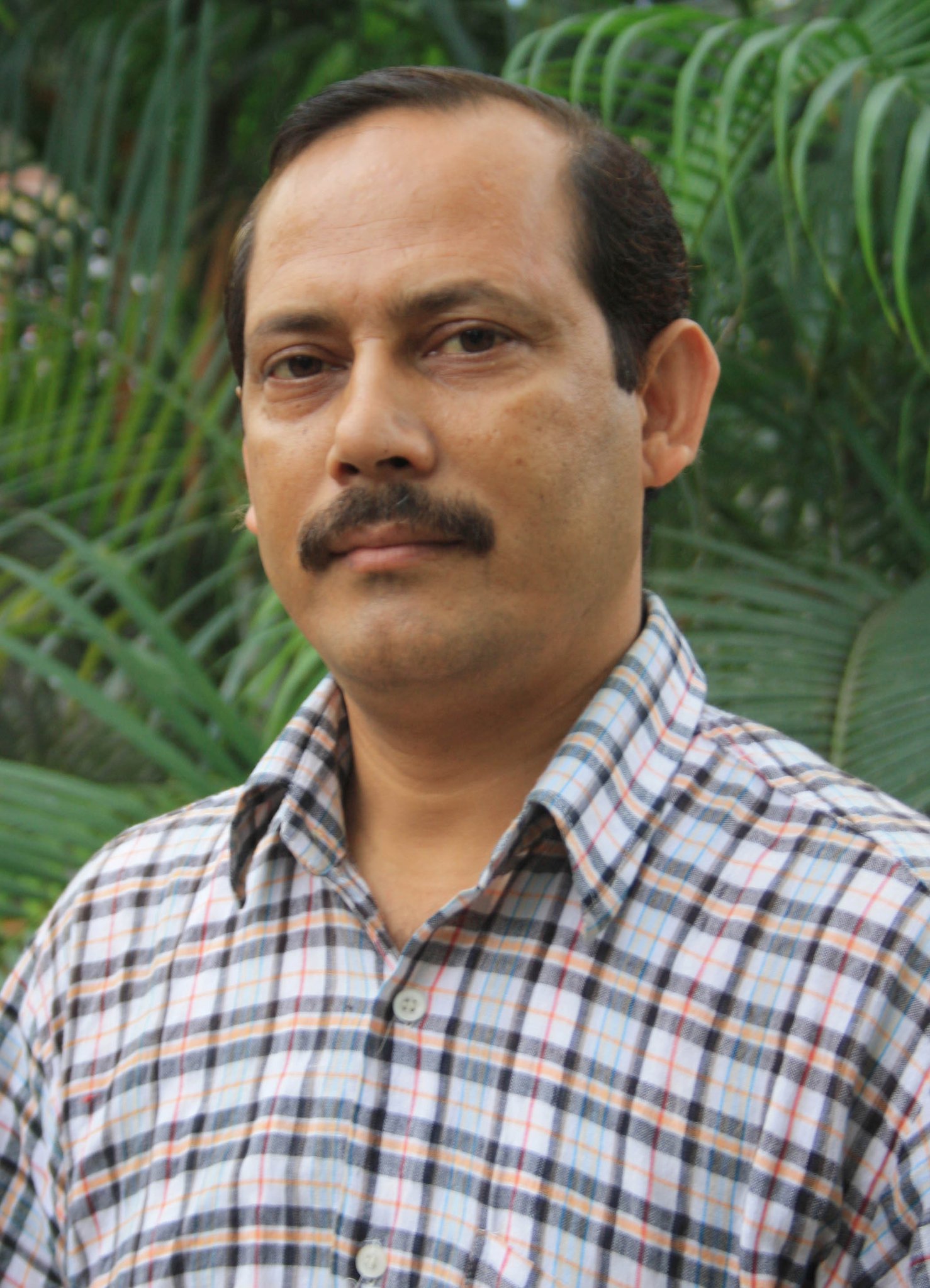
Nava Thakuria is a Guwahati based journalist and associated with various newspapers for over three decades. His focus areas remain socio-cultural developments in northeast India and the media's changing phases across the country.