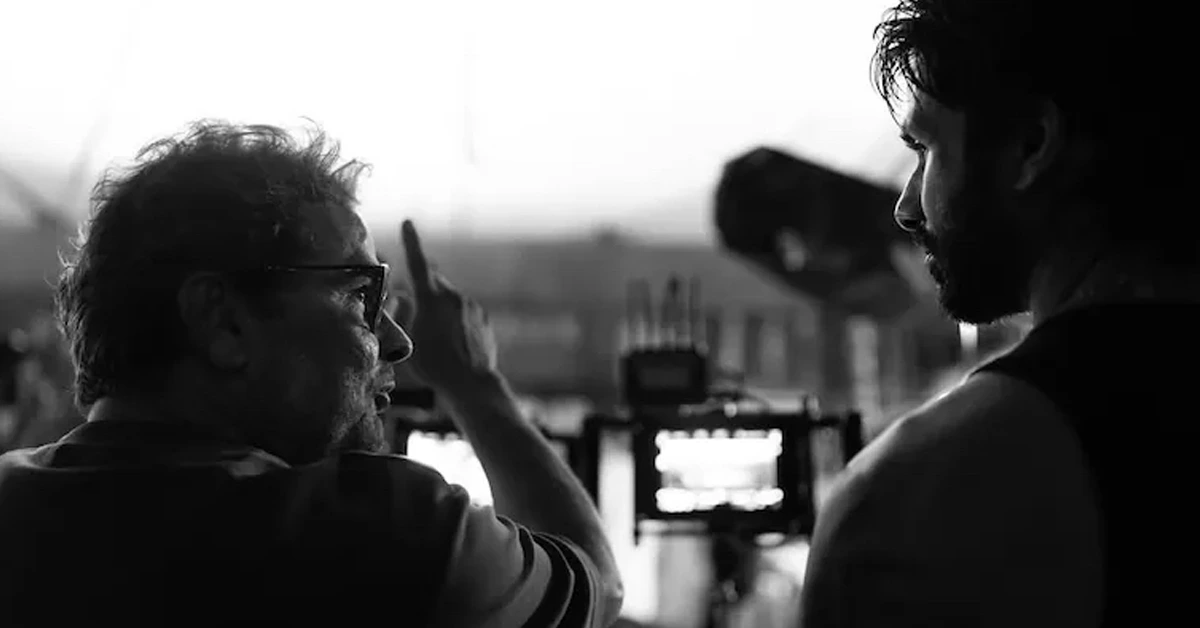
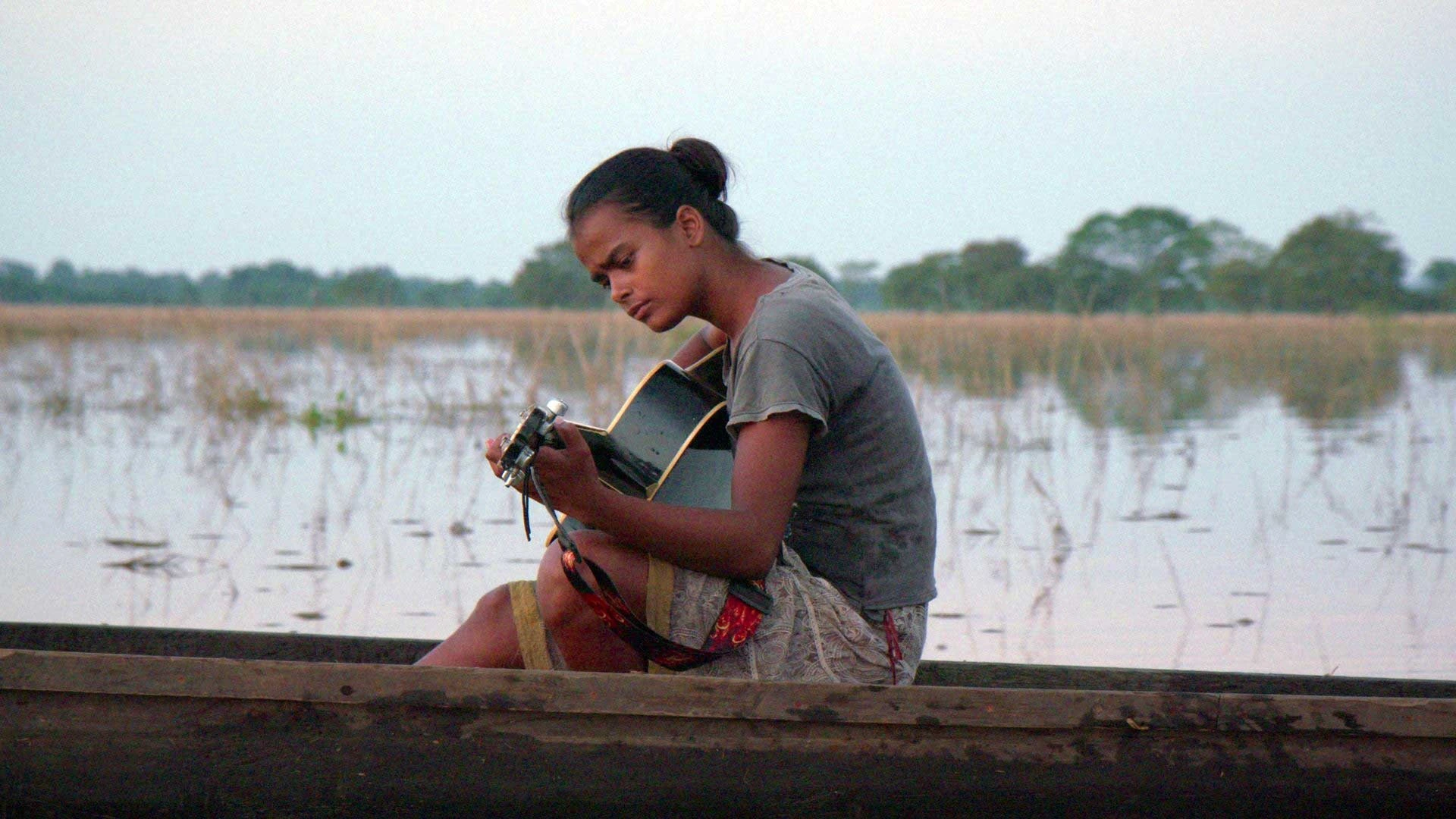
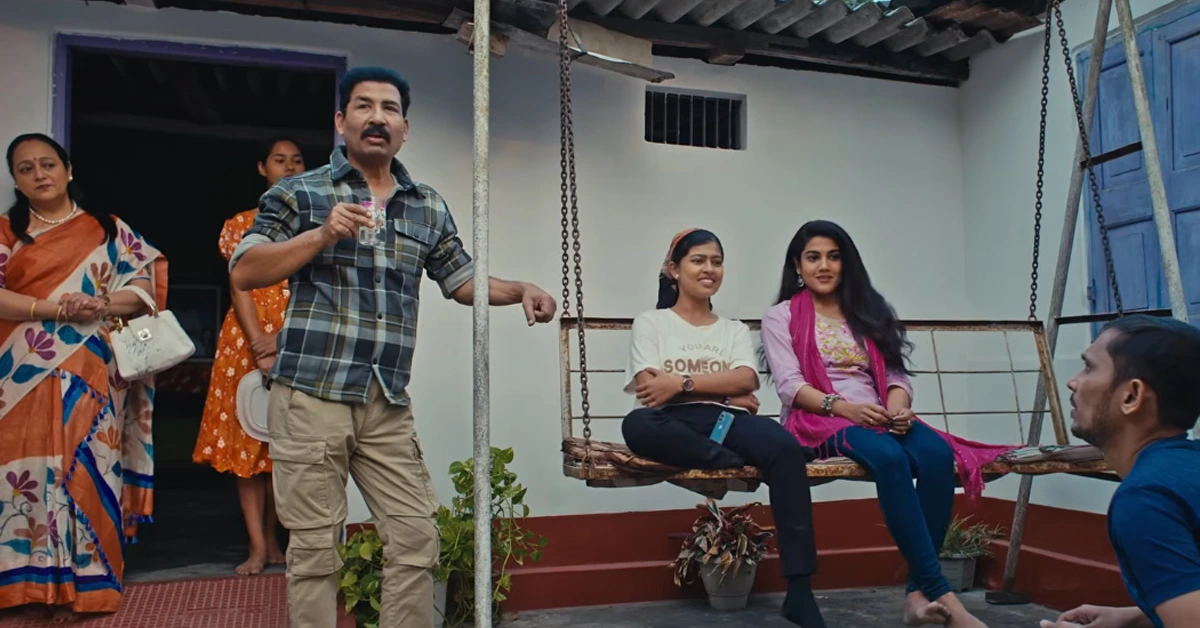
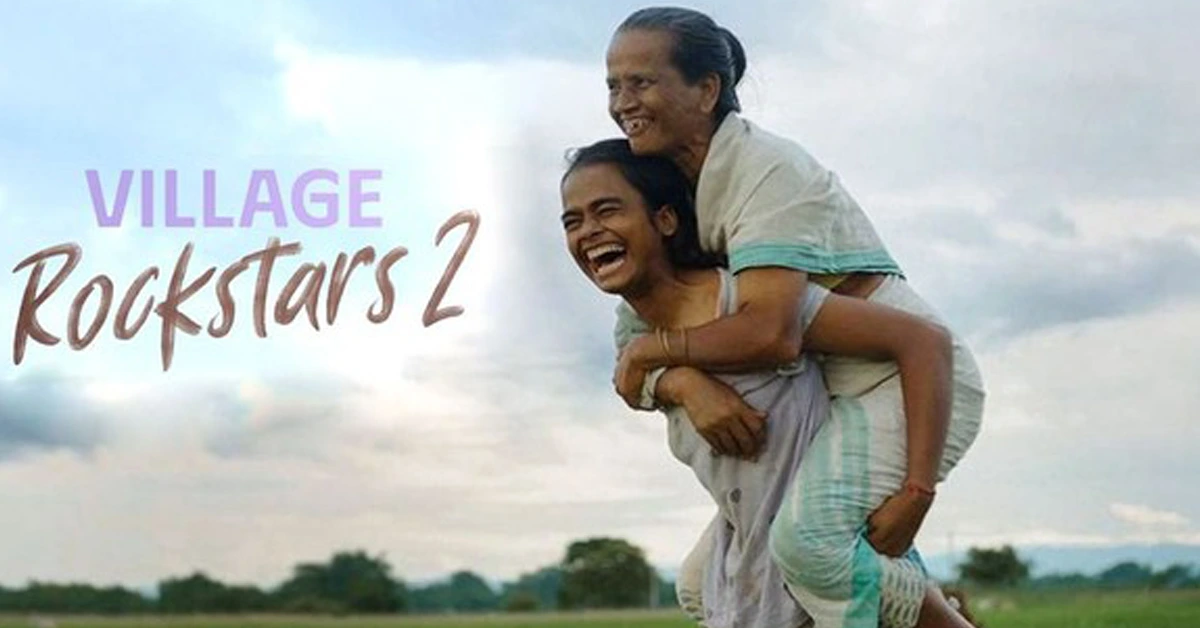
When Vishal Bhardwaj began his transition from music director to filmmaker with Makdee in 2002, the move did not announce itself as inevitable.
Hindi cinema has often absorbed its composers into directing roles, but rarely with sustained seriousness.
Makdee, produced under the Children’s Film Society of India after its own share of bureaucratic friction, and Bhardwaj ultimately stepped in as producer.
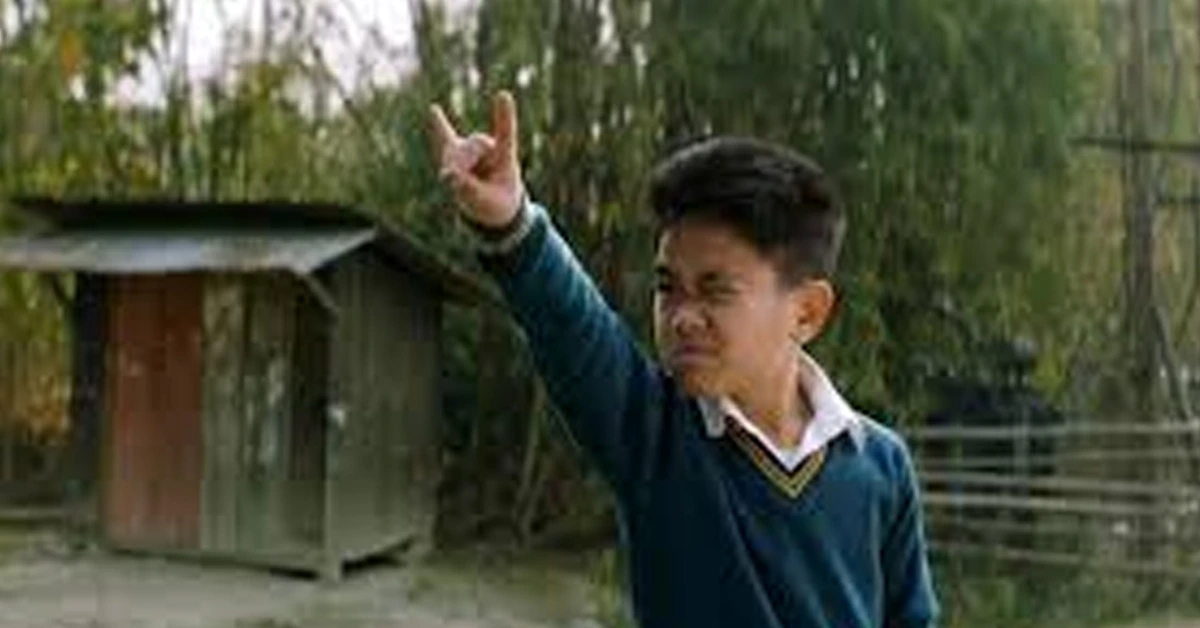
It was a modestly scaled film that was screened in the Critics’ Week sidebar at Cannes in 2003, and its young star, Shweta Basu Prasad, won the National Award for Best Child Artist.
The film did not declare a new master, but it suggested a sensibility that was wry, musical, and attentive to mood.
A year later, Bhardwaj made his intentions unmistakable.
Maqbool (2003), his transposition of Macbeth into the Mumbai underworld, was less an adaptation than an act of cultural translation.
Shakespeare’s fatalism found new texture in gangland politics and moral corrosion. The film underperformed commercially but travelled widely, earning Bhardwaj recognition.
What followed—Omkara (2006), reimagining Othello amid caste and electoral intrigue in Uttar Pradesh, and Haider (2014), a brooding Hamlet set in insurgency-shadowed Kashmir—consolidated what is now routinely called his Shakespeare trilogy.
These were not reverent literary exercises. They were muscular, regionally rooted works that allowed Shakespeare’s architecture to refract through Indian political anxieties.
Bhardwaj emerged as one of the few mainstream Hindi filmmakers willing to risk moral ambiguity and tragic endings in an industry more comfortable with redemptive closure.
Across more than two decades, his cinema developed a recognisable formal temperament. Shadowed interiors, morally compromised men, women of volatile intelligence, and music that did not decorate scenes but deepened their unease. Even when his films faltered, they rarely felt anonymous.
In recent years, however, the register has shifted. Projects such as the short film Fursat, the web series Charlie Chopra & the Mystery of Solang Valley, and the Netflix release Khufiya displayed flashes of the old control but not the same cumulative force.
The visual austerity remained; the emotional charge seemed diffused. One sensed not decline so much as restlessness.
It was a question of how an artist navigates streaming platforms, compressed attention spans, and altered audience expectations.
With O Romeo, that tension becomes harder to ignore. The film appears to lean toward broader accessibility, its tonal edges softened, its narrative gestures more accommodating.
Where Bhardwaj once trusted ambiguity, he now seems wary of it. This may be a strategic recalibration rather than a retreat.
Filmmakers, especially those working within the commercial constraints of Hindi cinema, adapt or risk marginalisation. Yet the questions linger. What happens when a thoughtful filmmaker known for tragic conviction tempers his severity to meet the presumed audience's appetite? Does accessibility broaden reach, or does it dilute authorship?
Bhardwaj’s career has been defined by his willingness to inhabit darkness without apology.
O Romeo invites a reconsideration, not only of a single film, but of how an artist sustains singularity across changing industrial climates.
Whether this marks a momentary detour or a durable shift may determine how the next chapter of his work is read.
ALSO READ | Three Films, Three Worlds: Northeast India At The 31st Kolkata International Film Festival

Dipankar Sarkar is a film critic who contributes to different publications- both national and international. He is a Research Fellowship from the NFAI, Pune, India, and was one of the panelists for the selection of world cinema at the 27th International Film Festival of Kerala in 2022.